

Ever wondered if one bad call could cost your win? In a heated game, even a few clear words can flip the whole match.
Think of each quick message like a secret power-up that boosts your crew right when they need it most. This piece dives into easy team chat tactics that slice through the chaos, helping your teammates trust each other a bit more.
So, ready to see how simple, sharp cues can turn that pressure into the perfect game plan? Let's get into it.
Foundational Team Communication Strategies in Competitive Gaming
In competitive gaming, talking clearly with your team is what makes the magic happen. When everyone quickly shares their ideas, you can switch up plans in a flash. Each player knows their job, whether you're the tank, healer, or damage dealer. This smooth chat boosts how fast you react and builds trust among your crew.
When the pressure is on, simple messages guide you like a raid plan. Setting clear goals, checking risks, and planning a few moves ahead helps you outsmart the competition. Ever felt the rush of a perfect comms play? It’s like the big secret move in a game.
| Element | Why It Matters |
|---|---|
| Clarity | Keeps the message straight so there’s no mix-up. |
| Brevity | Short words cut through the chaos. |
| Role Clarity | Everyone knows what to do when it’s crunch time. |
| Timing | Quick info sharing means you’re always in sync. |
| Feedback | Fast replies help you tweak your plan as you go. |
Focusing on these five basics can really level up your game. When your team nails clear voice calls and sticks to pre-match plans, you all can read the room and adjust mid-play. It’s like every move fits perfectly into one big winning strategy. Now, isn’t that what we all aim for?
In-Game Signaling and Ping Systems for Competitive Team Communication
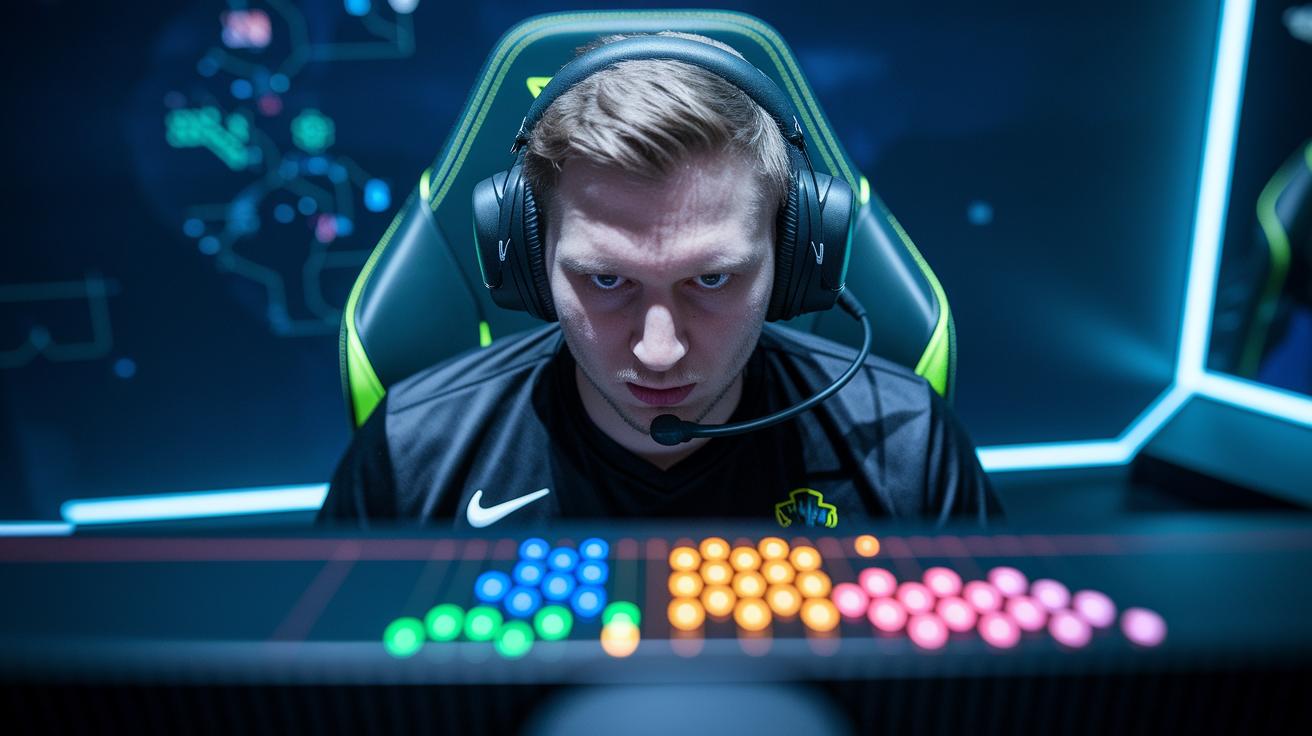
When you're in the middle of an intense match, in-game pings and map markers are like your secret hand signals. They cut through the voice-chat buzz so you can drop a quick tip without any fuss. Imagine spotting an opening and tapping a ping that basically screams "Attack!", it's silent, but oh so effective.
| Ping Type | Purpose |
|---|---|
| Attack | Tell your teammates it’s time to go on the offensive. |
| Defend | Alert your crew to hold up or cover a key area. |
| On-My-Way | Let everyone know you’re quickly moving to an important spot. |
| Retreat | Warn of danger and suggest pulling back. |
Using these pings with a bit of discipline makes team decisions under pressure a lot smoother. Each clear, short ping tells your teammates exactly when to dive in or pull back. It’s like using a quick playbook during an epic match, each alert is a cue for your next move. Ever feel that rush when a well-timed "Defend" ping saves the day? This smart, nonverbal cueing cuts down on the chaos and keeps your squad perfectly in sync, helping everyone react faster and plan better so you can crush the competition.
Voice Chat Protocols and VOIP Advantages for Esports Teams Communication
Clear voice channels work like a solid game plan, keeping your squad focused and ready. When you stick to simple voice rules, background noise doesn't mess up your callouts. It’s like having one main channel where every call counts, so everyone instantly knows who’s calling the shots and who’s relaying important info during those intense moments.
A steady voice chat stream hypes up teamwork and cuts down on chaos. When the crew follows agreed guidelines, there's less overlapping chatter and quicker responses. Imagine playing by a clear playbook where each call sets up the next move. This kind of structure turns random talk into a smooth, well-timed system that can really give you an edge when every second matters.
- Push-to-Talk – You hit a button before speaking, which cuts down on background noise.
- Open Mic – Lets you talk continuously, but it might lead to extra chatter.
Push-to-Talk vs. Open Mic: The Good and Not-so-Good
- Push-to-Talk: Offers tight control and keeps distractions low.
- Open Mic: Lets conversations flow naturally, even if it sometimes gets a bit messy.
Organizing Discord: Best Channel Setups
- Use a main channel solely for in-game calls.
- Set up separate channels for strategy talks and off-topic banter.
VOIP tools are real game-changers. With almost no lag (low latency) and crisp sound quality (thanks to high-quality codecs), they let you chat in real-time. That means smoother coordination, sharper timing, and a team that’s in sync when it matters most.
Pre-Match Briefing Protocols and Post-Match Debrief Processes for Competitive Gaming
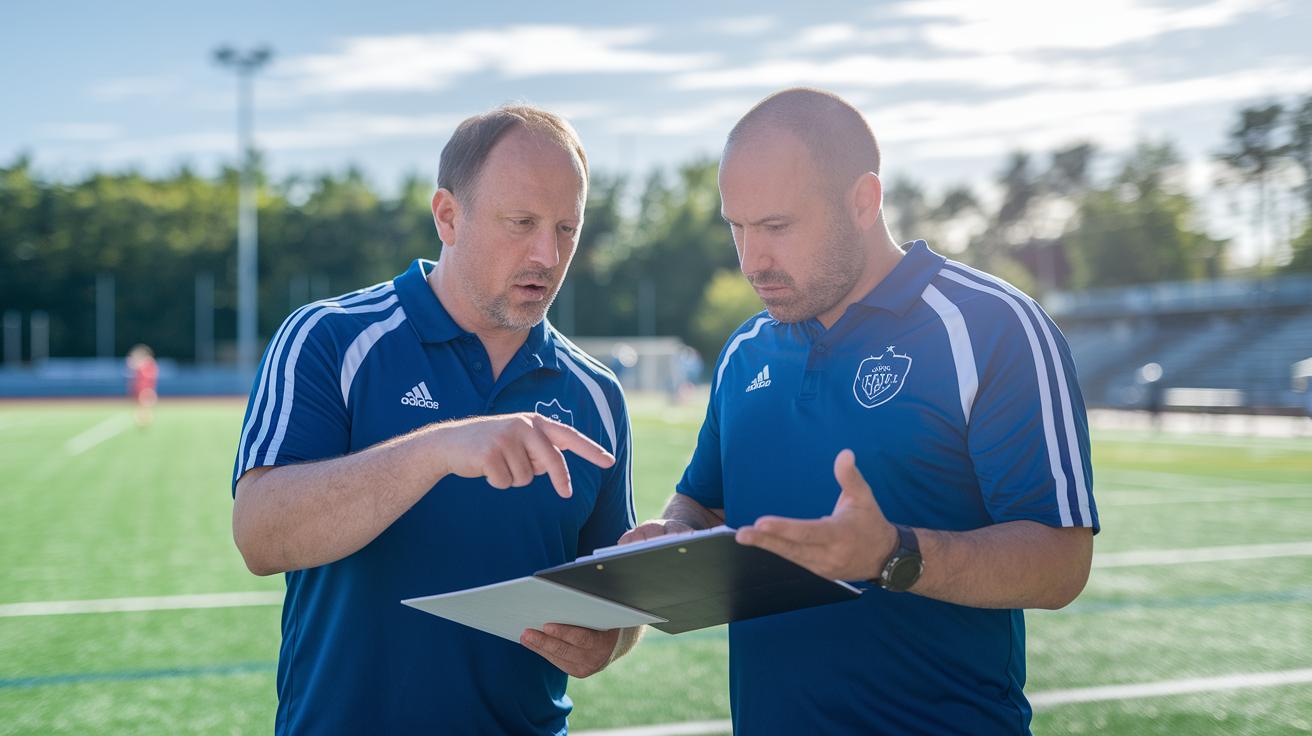
Before a match, teams get together to set roles, plan tactics, and lay out clear goals. This quick chat makes sure everyone knows what to do and is ready to jump right in. After the game, they regroup to talk about what worked and what didn’t, so they can lock in improvements for the next match.
| Phase | Focus | Outcome |
|---|---|---|
| Pre-Match | Roles, tactics, objectives | Unified approach and clear game plan |
| In-Match | Real-time adjustments, communication | Responsive play and dynamic strategy shifts |
| Post-Match | Review, feedback, data analysis | Improved tactics and informed preparation |
Using feedback loops is like having a cheat code for your game plan. After each match, teams talk openly about their plays, sharing what fired them up and what tripped them up. It’s a chance to replay those key moments in your head, learn from every move, and find the best fixes for next time. Ever felt that rush after realizing what really made a difference? When you take the time to chat about real game events, whether it’s a missed shot or a game-changing play, you build a sharper, more in-sync team. Whether it’s tweaking a formation or making quick on-the-fly changes, these pre- and post-match talks are your engine for getting better, match after match.
Conflict Resolution and Crisis Response Strategies in Competitive Gaming
Quick fixes in conflict matter, because even a tiny mix-up can spark a heated argument that throws off your whole team. In those tense moments, tempers flare and focus can vanish. So, having a simple plan to cool things down fast keeps everyone on track and reminds us all that staying calm is key.
- Identify the issue – Notice the problem as soon as it pops up.
- Pause play – Take a quick timeout to let emotions settle.
- Propose solutions – Share clear ideas to fix the problem.
- Resume with plan – Jump back into the game with a fresh, united strategy.
Good leadership is like the ultimate power-up. When a leader gives calm callouts and assigns roles clearly, it helps the team trust each other and keeps spirits high even in a crisis. This approach can flip a rough situation into a chance to bond and come back even stronger.
Role Allocation Frameworks and Leadership Cues in Competitive Team Communication

Having clear roles turns a chaotic match into smart, tight teamwork. When everyone knows if they’re calling the shots, backing up a teammate, or flexing a bit, confusion fades and focus takes over. This simple setup means every player’s move builds on the next, cutting out wasted effort right when it matters most.
Captaincy Dynamics: Responsibilities & Rotation
- The team captain calls the plays during the crunch moments.
- Rotating the captain role brings in fresh ideas and shares the load.
- Regular shifts in roles help build trust and keep the team agile.
Clear Role Scripts: Template for Role-Specific Callouts
- Using pre-set callouts lets each role deliver short, clear directions exactly when needed.
- Quick, upbeat cues can lift everyone’s spirits and keep focus during intense rounds.
- Organized scripts cut down on mix-ups, so every teammate instantly gets their job.
Clear roles and strong leadership cues mean faster decisions and a team that truly clicks. When every player sticks to their part and uses their set calls, each move feels part of a bigger, winning combo.
Tools and Platforms for Streamlined Team Communication in Esports
When you're deep in a high-stakes match, having the right tool makes a huge difference. It helps everyone talk clearly, cuts down on lag, and streamlines group settings so your team stays synced.
- Discord: Lets you manage channels easily, with low-lag voice chat that keeps the convo smooth.
- TeamSpeak: Offers customizable settings and solid group chat so everyone’s on board.
- In-game Chat Overlays: Mixes your game stats and quick callouts right on-screen, keeping you in the action.
- Mumble: Features push-to-talk (a quick way to talk without background noise) and clean sound quality.
The best platform for your team depends on your group size, game style, and daily play routines. For a small crew, a simple interface with built-in overlays might be all you need. Larger teams might want more control over user and group settings. Fast shooters demand ultra-low lag so every call pops instantly, while strategy games may need more detailed info for perfect timing. When your tool vibes with your team’s style, every ping, voice cue, and overlay update gets you one step closer to that epic win.
Communication Drills and Simulation Scenarios for Competitive Gaming Teams

Drills are your secret sauce for staying sharp. They help you test and perfect your team's calls, timing, and coordination in a safe, practice setting. Think of it like warming up before a big match, practicing your best plays so every call lands perfectly when it counts.
Simulations feel just like the heat of a real game. They show you how every teammate reacts under pressure. The drill teaches everyone to speak clearly and quickly; every word is a win. It’s like replaying that awesome combo over and over until it feels natural.
- Callout-Speed Exercise – Boost your team's quick responses and check how fast they react.
- Mock Crisis Scenario – Put your squad under pressure and track the accuracy of their callouts.
- Rotating Shot-Caller Session – Give everyone a chance to lead and see how clear the instructions are.
Measuring these drills using simple metrics like speed, accuracy, and clarity lets you know what needs tweaking. By tracking response times and checking how precise each call is, you learn which parts work best and which ones need a bit of polish. Keep iterating, and you’ll see your team’s coordination, and in-game performance, get way better.
Final Words
In the action, we broke down how smooth communication drives winning gameplay. We touched on voice protocols, nonverbal pings, pre-match briefings, role clarity, and crisis fixes.
This piece showed that clear, quick callouts and defined roles push your team forward. It reminded us that good team bonding comes from practice drills and honest feedback.
Keep tweaking your setup and adapting to each match. Embrace these team communication strategies in competitive gaming and keep leveling up every play.
FAQ
What are some team communication strategies in competitive gaming?
The team communication strategies in competitive gaming include clear calls, effective in-game signals, defined roles, and structured briefings that keep every player on the same page during matches.
How does collaboration within an esports team give a competitive edge during matches?
Collaboration within an esports team brings each player’s unique strengths together, boosting decision-making speed and flawless coordination that can tip the scales in close matches.
How do team-based video games improve teamwork, communication skills, and cooperation?
Team-based video games improve teamwork by encouraging clear callouts, shared goals, and quick decision-making. This environment builds real communication skills and promotes smooth cooperation among teammates.
How do esports develop teamwork, communication skills, and leadership abilities?
Esports develop teamwork and communication by assigning clear roles and leadership cues. Players learn to guide one another with swift, precise feedback, growing both their strategic and leadership skills.