
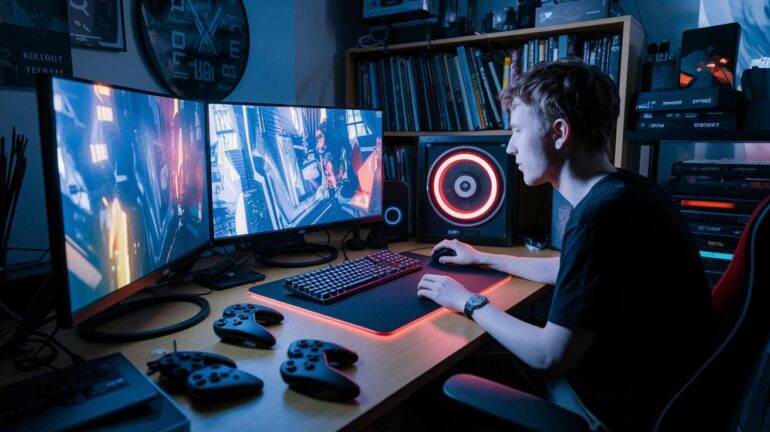
Ever wonder if your tournament prep might be the secret sauce behind a win? Think of your checklist as the ultimate game plan, setting you up for those epic moments of victory.
Every step counts. From choosing the right game mode to nailing every production detail (that means making sure every part of your event is spot-on), each move is like gearing up for a boss fight.
This guide breaks down each phase so you can get in the zone with confidence, just like you would before your toughest match. Ready to level up? Get set to transform your process and score big with a tournament setup built for success.
Essential eSports Tournament Preparation Checklist Overview
Organizers start by laying down the event’s structure. In Phase 1, you decide on the tournament type. Is a clan or community license enough, or do you need something special? Then, pick your game mode and set the number of teams or players. Picture it like planning your lineup: count your teams and choose if it’s a best-of-three match or a single elimination setup.
Next, Phase 2 is all about clear rules. Write up a simple rulebook that covers the start date, match formats (like single elimination or round-robin), and any legal or licensing details. Keeping things straightforward makes sure everyone’s on the same page.
Then comes Phase 3, where you handle marketing. Figure out who you’re targeting and choose a streaming platform that fits your crowd. Set a prize pool that really grabs competitive players, low three-digit prizes might not do the trick. Think of it like assembling a raid party; you want the loot to be worth the effort.
In Phase 4, focus on execution. Plan out every production detail, from where the cameras go to the quality of the commentary. Test all your equipment and have backup plans ready to smooth over any technical hiccups.
Finally, Phase 5 is all about reviewing the event. Look back at the registration process, note any technical or logistical glitches, and list improvements for next time. This constant tweaking is key, especially when catering to millions of esports fans around the world.
For more on in-game tactics, check out advanced in-game decision-making strategies for esports wins.
eSports Tournament Preparation: Venue Selection & Logistics

When planning your tournament, first check if the venue really fits your event's size. You need a place with enough space for players, staff, and spectators. Think of it like making sure every gamer has a clear shot at the screen during a big match. Also, find a spot that's easy for everyone to reach, including folks who might need a little extra help.
Next, sort out your logistics like you're setting up a team raid. Get your equipment, sound systems, and lights lined up so they all show up on time. And remember, locking in event insurance and following safety rules is like grabbing an extra life if something goes off course.
Then, take a close look at your budget. Write down costs for the venue, utilities, and any backup plans. It's just like managing your in-game resources, where every dollar helps you reach the win. Plus, keep an eye on cool future venues like the national Gaming and Esports Arena dropping in 2026 and Europe’s first 5G esports spot. With the right venue and some smart planning, your event will be all set to hit that epic score.
eSports Tournament Preparation: Player Registration & Rulebook
Start by making your registration rules super clear. Set firm deadlines that everyone in your group can easily follow. Imagine setting up online brackets where signing up feels as smooth as picking your favorite character. For instance, you could say, "Sign up by midnight on launch day," just like jumping into a quick match.
Next, figure out if a community license works for your event or if you need a special one. It’s a bit like choosing between a casual squad match and a heated ranked game.
When you write your rulebook, keep it simple and clear. Include things like:
- The start date of the event
- Match types (for example, single elimination means one loss and you're out; double elimination gives you a second chance; and round-robin is like a full group battle)
- How you'll decide the order of matches (seeding)
- What penalties will be given for breaking rules
- How disputes will be handled if someone feels a play was unfair
This clear setup makes sure that every player knows exactly when and how to register along with the rules to follow. It helps create a smooth, fair tournament where everyone can focus on the game.
eSports Tournament Preparation: Equipment & Technical Setup

Start by making a full gear list of everything you’ll need. Write down every device, from cameras to microphones, cables, and all the key hardware. This list is your go-to for a smooth tournament, just like having a trusty game guide for each level. Also, prepare a streaming checklist so you know every item is set for a clear, fun broadcast.
Next, dive into your LAN setup. Check every wired connection, run tests on your Wi-Fi, and fix any network delays (that means sorting out lag so your game stays smooth). It’s like a warm-up before a big match, making sure you’re ready for the action.
Don’t forget about your server. Run stress tests to see if it can handle heavy use, and have a backup plan ready (think of it like a spare controller when the game gets intense). Also, double-check that all game patches and essential software updates are installed and working well.
Give your stream a test run too. Check features like live score overlays and countdown timers by doing a full rehearsal with your tech team. This little practice run helps catch any hiccups before the big day.
Finally, sort out on-site IT support. Schedule time for quick hardware fixes and set up a backup IT plan to stop any lag in its tracks. This smart preparation with your gear list and streaming checklist will set your tournament up for a major win.
eSports Tournament Preparation: Staffing, Roles & Scheduling
Plan your staffing like you’re putting together the ultimate team lineup. Pick your moderators, referees, tech support, and volunteers, making sure each person knows exactly what they need to do. It’s like setting your team’s class skills, each role has its own mission to keep things running smooth, for example, having Sarah handle tech issues while Mark takes charge of live scores.
Use an event checklist like a mission log to mark off every duty. This simple list covers everything from match setups to equipment checks, so everybody stays on target.
Then, rely on cool scheduling software to plan out your match fixtures. This tool maps match lengths, breaks, and transitions, much like planning a raid where timing is everything. And don’t forget to schedule wellness breaks to let players and staff recharge during intense moments.
Finally, create a volunteer coordination manual that lays out roles, break times, and emergency plans. This guide helps each volunteer know when to jump in, ensuring the whole event runs like a well-oiled machine.
eSports Tournament Preparation: Marketing, Sponsorship & Branding
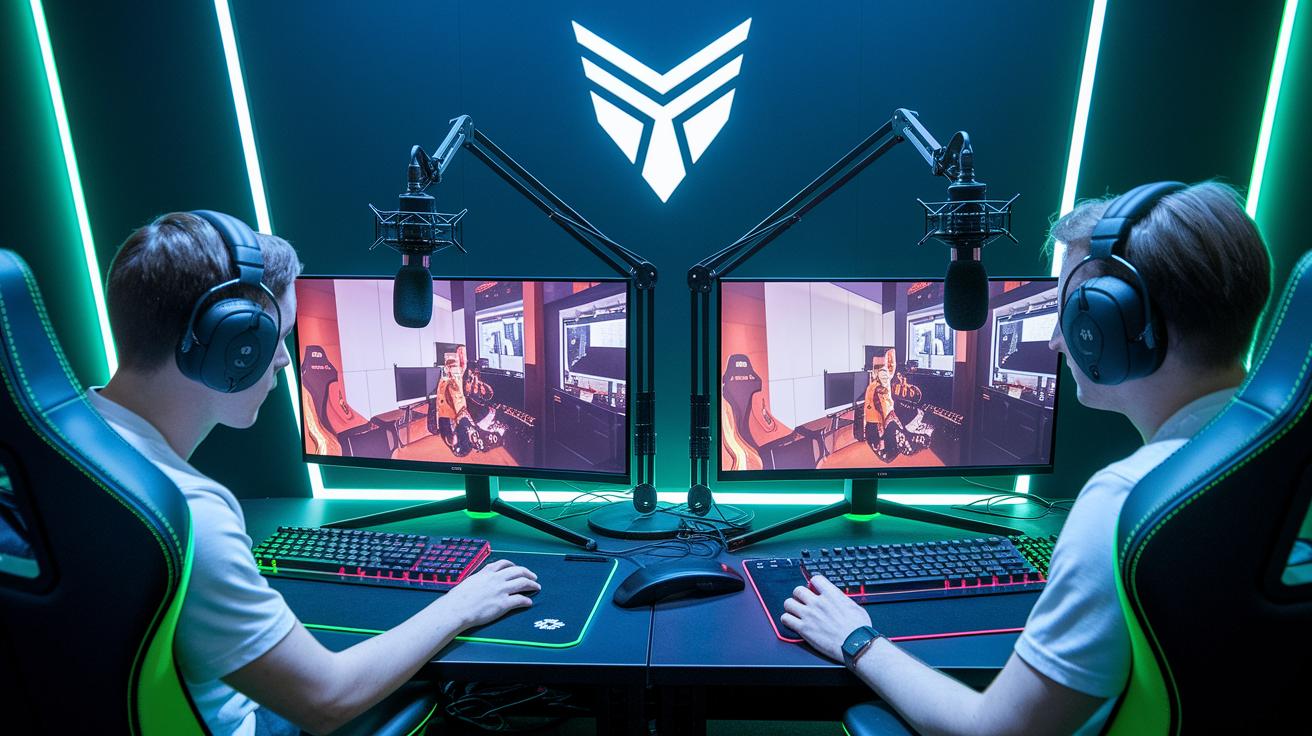
Start by figuring out who you want at your event. Think about breaking your audience into groups like casual gamers, hardcore competitors, and tech fans. Pick streaming platforms that best serve each group so every live broadcast feels just right. For instance, you might say, "Prepare for an epic showdown in our live tournament," to get everyone hyped.
Next, dig into sponsorship deals. Reach out to partners who get your event’s vibe and can back real prize pools. Imagine building a team where each sponsor boosts the fun and energy. Make sure the benefits, like more brand exposure and direct interaction with gamers, are crystal clear.
Then, create solid branding guidelines. Build a visual and message framework that truly nails the spirit of your tournament. Design content that hits home with your audience. A cool tagline like, "Step into the arena where legends are made," can really spark interest and excitement.
Finally, roll out your digital promotion strategy. Use social media, influencer shoutouts, and viral tactics to spread the word. Host community events and write press releases that show off what makes your event unique. When every bit of your promotion lines up with your core message, you'll draw in top talent and an audience ready for lasting success.
eSports Tournament Preparation: Live Production & Audience Engagement
Lock in your live broadcast setup before the tourney kicks off. Double-check your list: set your cameras right, use quality audio gear, and secure commentary spots to catch every epic play. Run a stream rehearsal so both your commentators and tech crew can practice like a pre-game warm-up. This way, you'll spot any glitches before your fans jump in.
Add live chat features with score overlays and interactive polls so viewers can join the action in real time. When the game hits a tense moment, fire up a quick Q&A or poll to keep everyone buzzing. Think about on-stream giveaways too, it's a cool way to reward fans while keeping casual viewers and pros alike in the loop.
Every little detail counts when you're building a lively streaming community. Each technical tweak and audience tactic can boost the overall live vibe. Practice these steps until they feel as natural as a well-played combo, making sure both your broadcast and fan engagement run smooth. Test everything early to iron out any kinks and crank up the energy for a match you'll never forget.
eSports Tournament Preparation: Contingency Planning & Post-Event Reporting

Plan ahead for surprises like you’d gear up for an unexpected boss fight. When a player might be a no-show or hit a delay, have a backup plan ready. For example, save a few extra match slots or prepare mini-games to keep things rolling if plans suddenly change.
Set up simple, clear steps to fix problems on the fly. That means laying out easy fixes for tech issues (like checking server connections or rebooting gear) and handling rule disputes without losing the vibe. Think of it as having a handy power-up that patches up glitches in real time.
After the event, get some honest feedback by running a quick survey with players and staff. Ask things like, "What worked well?" or "Where did we stumble?" This helps you learn and tweak your strategy for the next tournament.
Review your data on match registrations, viewership numbers, and any tech glitches to spot where you can improve. Look at how timing, player energy, and technical hiccups affected the event, and use that info to level up your game plan.
Before you wrap up everything, use a checklist during your debrief to capture every lesson learned. This way, you'll be ready for any surprise next time and your tournament will run even smoother.
- contingency match planning
- incident response procedures
- post-event feedback survey
- tournament debrief checklist
Final Words
In the action, we broke down the steps of gearing up for a major match, right from set-up, tech checks, and player signups to live streaming and post-event feedback. We covered everything in an easy-to-follow eSports tournament preparation checklist that keeps your plan solid. It’s all about layering your game plan like a well-timed combo. Every bit, from staffing tips to backup strategies, helps level up your competitive edge. Enjoy planning, and here’s to smashing your next esports event!
FAQ
Esports tournament preparation checklist template/pdf/reddit/free/2021
The esports tournament preparation checklist provides a task-focused guide to plan and run competitions. It covers choosing tournament type, setting rules, planning marketing, and post-event reporting, with versions available as PDFs, free templates, or shared on Reddit, including updates from 2021.
Do you need a license to host a gaming tournament?
The need for a license to host a gaming tournament depends on local rules and the tournament type. Licensing may vary for community events versus those with special requirements.
How to host an esports tournament?
Hosting an esports tournament involves selecting a clear format, setting comprehensive rules, marketing the event, and coordinating logistics from player registration to live production and post-event reviews.
How do esports tournaments work?
Esports tournaments work through careful planning and execution, starting with match formats and rules, followed by team registrations, scheduled matches, live streaming setups, and post-game review sessions.
How to prepare for and organize an esports tournament?
Preparing and organizing an esports tournament means creating a checklist that spans planning, venue logistics, registration, technical setup, staffing, marketing, live broadcast arrangements, and contingency measures.
What is the format for esports tournaments?
The format for esports tournaments typically includes match types like single or double elimination and round-robin brackets, along with defined rules, seeding methods, and a match schedule for smooth competition.
Can a 12 year old play esports?
A 12-year-old can play esports, but many tournaments have age restrictions or specific rules due to game ratings and legal requirements. Always check each event’s guidelines before signing up.