

Have you ever wondered why some gamers seem to move up the ladder with every match while others feel stuck? It all comes down to esports ladder matchmaking, which uses real stats like your win rate and your kill to death numbers (that’s how often you beat opponents compared to how many times you get beaten) to line up fair fights.
Every win boosts you up, and every loss pulls you down. In this post, I break down how this ranking system works and share some winning tips to help you climb the ranks. Stick around and see how every game can be your chance to prove you’ve got what it takes in the competitive world of esports.
Understanding Esports Ladder Matchmaking Mechanics
Ladder matchmaking groups gamers based on similar skills by tracking simple stats like win rates, kill/death ratios (how often you kill versus get killed), and overall gameplay. Every match pushes you up or drops you down the ladder. This system makes sure you face opponents at your own level. For more details, check out how do esports ladders work.
By putting players into clear skill buckets, matches become both fair and fast. You get to experience real competition while your rank shows your true performance in each game.
- Skill metrics tracking
- Ranking progression
- Matchmaking pools
- Win-loss impact
- Seasonal resets
This setup offers real benefits for competitive play. Every game matters because your win or loss directly changes your position. It feels good to see your rank rise when you do well, and even a loss teaches you a lesson for a comeback. The challenge and thrill stay alive for everyone.
Esports Ladder Ranking Systems and Rating Algorithms

Precise ratings are the heart of fair gameplay. They make sure every match feels balanced by matching you with players of similar skill. When your rating is spot on, every win and loss truly counts.
The system builds your score using inputs like your win rate, kill/death ratio (that’s the number of kills divided by deaths), how efficient you are in matches, and even your recent streaks. Imagine racking up a string of wins with a high K/D ratio, the system spots your awesome gameplay and boosts your rating faster. For more on how gaming leaderboards work, check out this guide (https://nerdladder.com?p=243) or dive into detailed ranking formulas here (https://nerdladder.com?p=467).
After each match, your rating updates to reflect what went down. If you beat a higher-rated opponent, your rating jumps up more, but a loss against someone lower-rated pulls you down harder. Each game can push you closer to a new tier or set you back, keeping the matchmaking dynamic and ensuring every match is a true test of your skills.
Matchmaking Pools and Tier-Based Pairing in Esports Ladders
When you jump into esports matchmaking, tier-based pairing makes sure every match is fair. Players get sorted into groups, Bronze, Silver, Gold, Platinum, and Diamond, based on their rating. This way, you face off against opponents who match your skill set, keeping the game fun and balanced. The system even looks at things like your network speed (latency) and location so you spend less time waiting and less time dealing with lag. Imagine diving into a game where your opponent really mirrors your own skill level!
| Tier Name | Rating Range | Avg Wait Time |
|---|---|---|
| Bronze | 0–999 | 30 s |
| Silver | 1000–1499 | 45 s |
| Gold | 1500–1999 | 60 s |
| Platinum | 2000–2499 | 75 s |
| Diamond | 2500+ | 90 s |
This tier system not only speeds up the matchmaking process but also keeps the competition real. Lower divisions like Bronze and Silver usually have quicker queues because there are lots of players online. On the other hand, if you're in Platinum or Diamond, you might wait just a bit longer since the system makes sure the matchups stay challenging. And that extra bit of care makes every game feel worth it. When matches start fast and the competition is true to your skill, it’s easier to stay motivated and aim higher. For more on how these tiers work, check out esports ladder formats explained.
Impact of Win-Loss Records on Ladder Matchmaking Progression
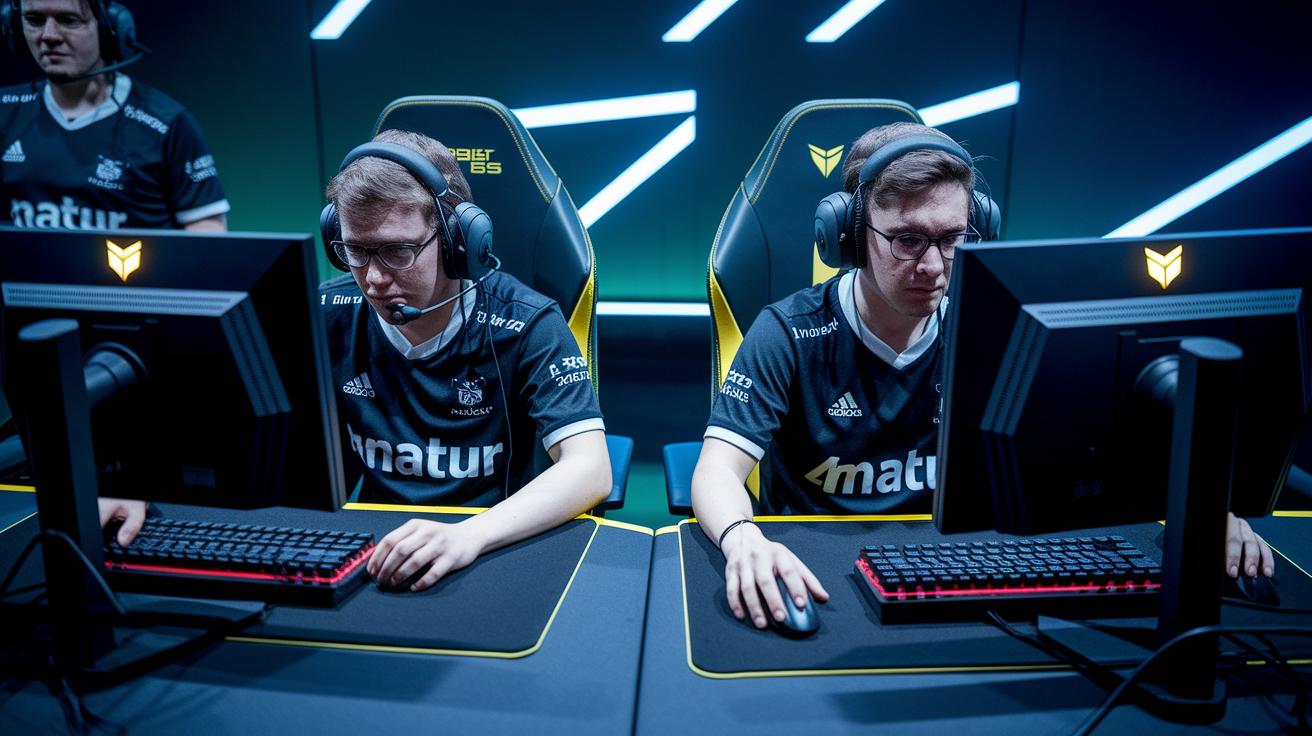
Every match shakes up your overall rating. When you beat expectations, like an underdog win, and grab extra points, your score jumps up. On the flip side, if you're the favorite and stumble, your points take a hit. It's like doing a quick score math where your current rating gets a boost or drop depending on how the match went.
Imagine you win when no one thought you would, in that case, you might score an extra +25 points. But if you're expected to win and end up losing, you could see a -15 point drop. These simple adjustments mirror the challenge each game brings, adding a bit of spice to every match.
There are sometimes extra twists too. For example, if you're on a win streak, you might pick up bonus points with each win, making your climb even more exciting. And if you haven't jumped in for a while, the system might slowly lower your rating to remind you to get back in the game. This mix-up of standard adjustments and fun modifiers keeps the ladder fresh and makes every match count.
esports ladder matchmaking explained: Winning Tactics
Fairness metrics form the backbone of every match. They check things like how far apart player skills are and whether players keep coming back to play. This way, every game feels like a fair fight.
Keeping an eye on smurf behavior is a big deal, too. Smurfing is when a player uses a second account (kind of like a hidden backup) to take on opponents who aren’t as skilled. When the system spots odd patterns, it adjusts the pairing rules just a bit. This tweak keeps the game from feeling like an endless grind and makes sure your real skills are what count.
Behind the scenes, a strong setup makes it all work. Distributed servers and auto-scaling queues handle thousands of match requests at once. This keeps wait times short and the gameplay smooth.
Analytics dashboards are like the game’s control center. They track things like how many players stick around and the average difference in skill levels. When the data shows that matches are too one-sided or the queue is getting too long, adjustments happen on the fly. This constant fine-tuning keeps every game exciting and builds trust among players, making sure each match tests what you can really do.
Tracking Performance Metrics and Optimizing Esports Ladder Matchmaking

We track win rates, player happiness, how long gamers stick around, and match quality scores. Operators use dashboards that show these numbers in neat charts and tables. This setup is like a scorecard telling you if your game tactics are on point. It makes spotting problems and sudden drops super simple.
Watching player stats shows how well the ladder is running. By checking things like kill/death ratios (a simple way to compare kills to deaths), win streaks, and overall efficiency, you see how players perform each match. This info helps tweak rating values and pool sizes, keeping the games fair and fun. The numbers guide improvements in the competitive scene.
Linking real-time chat platforms lets the system manage queues on the fly. With tools like game SDKs (software kits that help build game features), operators can switch up match rules quickly, cut down wait times, and balance games as players log in. This keeps the gameplay smooth and exciting.
The best plan is to update the system regularly by checking all the data closely. Operators can try different weights for each performance metric and adjust matchmaking pool sizes as needed. Testing during off-peak hours helps find improvements without interrupting live play. Plus, listening to community feedback gives great ideas. This flexible approach keeps the ladder fun and fair, always matching players with opponents that truly reflect their skills.
Final Words
In the action, we broke down ladder matchmaking basics, from pairing players by ratings and tiers to tweaking win-loss records and performance metrics. We unpacked how competitive algorithms and pooling methods shape match fairness and speedy queues.
This guide helped make esports ladder matchmaking explained clear and easy to digest. Its insights aim to spark your passion for leveling up and enjoying smarter, fairer gameplay. Hope these tips bring extra fire to your next match.
FAQ
How does ladder matchmaking work in esports?
Ladder matchmaking works by pairing players based on skill using win history, kill/death ratios, and overall efficiency. It relies on a ranking ladder template that adapts after each match to ensure fair and competitive pairings.
How does Clash Royale matchmaking work?
Clash Royale matchmaking operates by matching players based on card levels and win records. Many players share concerns about fairness on Reddit, though the system continuously refines parameters for balanced competition.
How does Wild Rift matchmaking work?
Wild Rift matchmaking finds matches by assessing player skill, latency, and ratings. Despite complaints of long wait times or rigged pairings, updates aim to improve balance and overall match quality in competitive play.