

Ever wonder if your gear is really giving you an edge? We cut through the noise and show you three cool tools that step up the way you track performance.
Imagine a vest that logs every burst of speed, an app that catches your best moves (kinda like a replay system), and charts that turn raw numbers into a clear picture.
We break down how each tool helps players and even marketers up their game, making it super clear where you can improve.
Keep reading to see how we set a new bar in performance tracking.
Radar-Style Performance Tracking System Review Radar Summary
Gametraka offers a straightforward hardware solution. Their Football GPS vest has built-in sensors that track everything, from the distance you run to how hard you train and even your top speed. Imagine slipping into the vest, feeling it snugly adjust, and then checking your stats like, "I just ran 500 meters at 21.6 km/h" in real time. It’s like having a mini coach right there with you.
Then there’s App Radar, a tool focused on software. It boosts your app’s store profile by checking out the competition and digging into smart keyword tips. It even sends detailed data directly into your business tools with a simple API (that lets different apps share data). Picture logging into your dashboard and spotting a sudden rise in your keyword ranking, almost like you found a secret cheat code! This smooth setup is perfect for developers and marketing teams looking for that extra edge.
Excel Radar Charts round out the trio with a cool analytical twist. With three chart types, standard, markers, and filled, you can view all your performance stats in one go. Think of it as stacking your skills: teamwork, speed, and endurance all shown around one central point. Fun fact: one well-made Excel Radar Chart can turn raw numbers into a clear story of progress, much like watching your favorite game arena light up in action.
All three tools serve different players. Gametraka is a hit with sports teams and fitness groups, App Radar works wonders for app marketers and developers, and Excel Radar Charts are perfect if you love digging into detailed performance insights. This review shows how each system tracks efficiency and metrics, helping you find the best fit for your game plan.
Core Features of Radar-Style Performance Tracking Systems

Gametraka brings you awesome sports tracking with a GPS vest built for real-life action. It uses sensors to log your distance, how hard you’re pushing, and even your top speed. The vest sports a six-hour battery and charges via USB. Imagine getting geared up and every move you make is captured, like saying, "I just smashed a 5K run at 22 km/h!" Its comfy, smart design gathers all your stats smoothly when you're in the thick of a play.
App Radar makes digital performance a breeze by mixing insights on your competitors with smart app store help (ASO, which means making your app easier to find). Its dashboard lights up with data, kind of like a power-up alert when keyword rankings jump suddenly. And with its API, you can easily connect it to your other tools.
Excel Radar Charts change raw numbers into easy-to-read snapshots. These charts let you tweak axes and update data on the fly, so you can see strengths like teamwork and speed clearly. For example, a look at these charts might show how a slick, coordinated move boosts your overall play.
All in all, these systems use cool, unique ways to track your progress, giving you fresh insights with every game.
Performance Metrics Visualization with Radar Chart Analysis
Radar charts turn a bunch of numbers into cool visuals that let you see how your skills stack up in real time. Imagine this: a chart where your game hustle and strategy glow in different spots, showing your strengths in a flash.
There are three kinds of radar charts:
One type simply joins data points with lines to give you a quick look at multiple skills. Another type adds dots at each axis, so you can tell exactly where your targets and actual scores meet. The third kind fills in areas with color, which is super handy for spotting overlaps and gaps, perfect for checking out survey responses or performance reviews.
For instance, you might pick a standard radar chart to gauge teamwork and endurance, or go for the marker version if you need to nail down specific details of your performance.
| Chart Type | Description | Use Case |
|---|---|---|
| Standard | Simple lines connecting multiple skills | Overall skill check |
| With Markers | Dotted points on each axis for clearer insight | Comparing targets vs. what you actually achieved |
| Filled | Colored overlays to show overlaps | Visualizing survey results |
Each style brings something different to the table, so pick one based on whether you need a deep dive into specifics or just an overall snapshot of your progress.
Pros and Cons of Leading Radar Performance Tracking Tools

Gametraka is a wallet-friendly GPS analytics tool that's perfect for running team events. Its vest reliably logs speeds and sprints, but its bulky design might leave you feeling less than comfortable. The team is even planning to add features like a heart rate monitor and live streaming to make in-game coaching even sharper.
App Radar dives into deep ASO insights (that’s app store optimization for boosting visibility) and pairs with smooth API integration to keep track of competitor moves. Still, some internal reviews point out that its real-time updates sometimes lag, something speeding up data feeds during peak ranking changes could fix.
Excel Radar Charts let you customize performance comparisons without any extra costs. However, manually handling a ton of variables can get pretty tedious. Good news is, they're already working on automated data uploads to help speed up analysis for big data projects.
| Product | Pros | Cons |
|---|---|---|
| Gametraka |
Affordable GPS analytics Great for team and event management |
Bulky vest design Missing heart rate monitor and live streaming |
| App Radar |
Deep ASO insights Smooth API integration |
Read-only data limits interaction Lags in real-time data updates |
| Excel Radar Charts | Full customization without extra fees |
Manual data input slows projects Scalability issues with many variables |
Integration and Workflow in Radar-Based Performance Tracking Systems
Gametraka makes setting up your team super easy. You can join or create a team by picking your sport and location, like choosing your squad for the next epic match. Once you’re set, adding match events is quick, as simple as entering details like the match date and your opponent, just like prepping for a big tournament.
App Radar, on the other hand, goes full throttle with its API integration. Using REST authentication (a secure way to connect), you can pull data with simple GET calls. Imagine logging into your BI tool and seeing your app’s keyword ranking update in real time, it’s like watching live stats during a clutch game moment.
Excel workflows let you turn raw data into interactive dashboards. By adding radar charts built with pivot tables, slicers, and macros, you get a clear view of your performance. One click and your dashboard updates, giving you a real-time snapshot of progress, just like switching camera angles during gameplay.
All these integrations bring data from sports events, app performance, or detailed Excel analytics together in one smooth flow. Whether you're managing a team, updating your dashboard, or checking your stats, everything clicks into place like a perfectly executed game strategy.
performance tracking system review radar shines bright
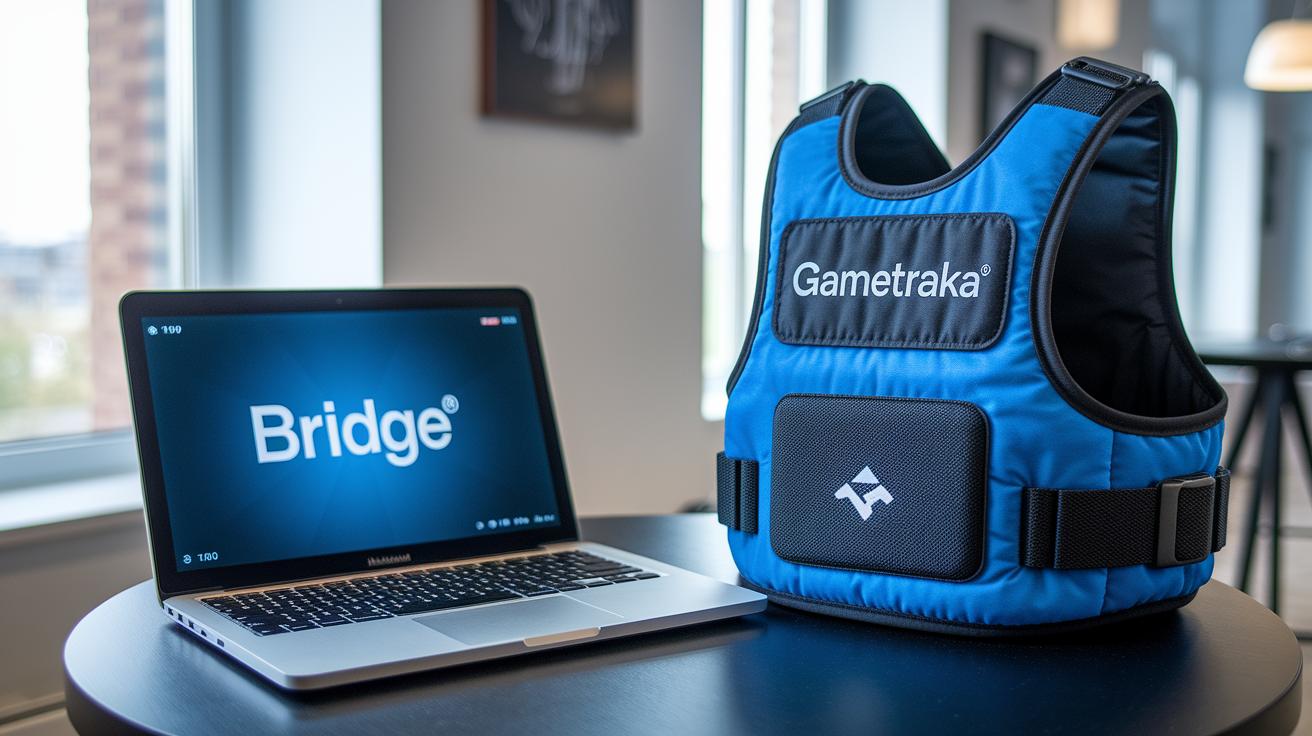
This guide is here to help you set up your Gametraka vest. Once you unbox your vest, make sure it fits right and then plug it in with a USB charger. If your vest doesn't pop up immediately, try downloading the Bridge app (available for Windows and Mac) to get it connected quickly. I mean, one time I installed the app and my vest was up and running in no time!
Mix this tip with your current hardware setup, no need to redo everything if you’ve already covered it. Now, onto the App Radar setup: sign up for an account, grab your REST API key (think of it as a secret code to connect things), and run a sample GET endpoint to see your keyword rankings live. It's like getting that extra power-up before diving into a match.
Next, when you're working on Excel Radar Charts, start by picking out the performance data, then insert a chart and adjust the labels and scales. This extra step makes it super clear to compare metrics like teamwork, speed, and intensity, just like checking your stats after an epic play.
Selecting the Best Performance Tracking System: Radar Review Checklist
When picking a performance tracking system, start by figuring out what matters to you. Check if it keeps tabs on key numbers like speed, intensity, and ASO rankings (that means how well your app does in the store). It should also fit smoothly into your routine, whether that's through an API connection or a simple manual import. Plus, it's cool if you can see your data in fresh ways, like customizable radar charts. And don’t forget to check the hardware details, things like sensor accuracy and battery life are key if you're planning on long sessions.
If you're working in a team, make sure the system lets everyone jump in and track their progress. Consider the cost too; sometimes a monthly subscription works best, other times a one-time fee is the way to go. And yeah, good support and training resources can really take the stress out of learning something new.
Here’s a quick checklist for you:
- Tracks various metrics (speed, intensity, ASO rankings)
- Integrates easily (via API or manual import)
- Offers fun visualization options (like customizable radar charts)
- Checks hardware details (sensor accuracy and battery life)
- Supports team use (multi-user access)
- Fits your budget (subscription or one-time fee)
- Comes with solid support and training resources
Use this checklist to help clear up your decision-making process.
Final Words
In the action, we broke down radar-style performance tracking systems, from the sensors on the vest to customizable radar charts in Excel. We highlighted key features, setup steps, and trade-offs in each solution. The review showed how these tools fit into everyday workflows and boost game performance. With this performance tracking system review radar, you have the insights to make smarter plays. Get out there, keep pushing your limits, and enjoy every win along the way.
FAQ
What does performance tracking system review radar pdf refer to?
The performance tracking system review radar pdf refers to a document that outlines key system details, features, and comparisons in a PDF, letting you quickly review and decide what works best for your needs.
What is considered the best performance tracking system review radar?
The best performance tracking system review radar highlights top-rated tracking solutions that combine clear visualization and reliable metrics, giving you a straight-to-the-point guide for evaluating each option.
What is the performance tracking system review radar app?
The performance tracking system review radar app delivers tracking insights and competitor intelligence on your device, mixing data and smart visuals to help you easily assess performance metrics during your play.
What does performance tracking system review radar 2022 imply?
Performance tracking system review radar 2022 implies reviews done in 2022 that assess various systems on their key features and metrics, helping you compare recent performance tracking innovations head-to-head.
What are the fundamentals of radar?
The fundamentals of radar involve sending out radio waves that bounce off objects, allowing systems to measure distances and speeds—a basic principle behind both weather tracking and performance analysis.
When and why was radar developed?
Radar was developed originally during wartime to spot enemy aircraft, and its technology now helps power systems by detecting objects and monitoring performance, bridging defense and everyday tech needs.
What is a radar transmitter and receiver?
A radar transmitter and receiver work hand in hand by sending out signals and capturing the echoes. This teamwork creates data that shows object locations and movements, useful for both safety and performance tracking.
What is an atmosphere radar?
An atmosphere radar is used to study weather by sending signals into the sky and measuring how they bounce off clouds and particles, giving insights into weather patterns and atmospheric conditions.
What is the radar method used for?
The radar method is used for tracking and comparing performance metrics like speed and distance by bouncing signals off targets, which then translate into clear, visual data for analysis.
Is radar affected by rain?
Radar can be affected by rain as water droplets scatter radio signals, sometimes reducing accuracy. Modern systems adjust for this, still offering reliable data even when skies are wet.
How does radar work?
Radar works by transmitting radio waves that hit objects and bounce back to a receiver. The time for the return lets the system calculate distance, speed, and other key performance metrics.
What is the performance of the radar system?
The performance of the radar system is measured by its accuracy in capturing distances, speeds, and various metrics, with clear visual data presentations that help you make quick, informed decisions.