

Ever think the ladder system is totally rigged?
A lot of gamers say it's just luck when they win or lose, but really, it’s all about quick reflexes and smart moves.
In games like Counter-Strike 2 and Valorant, every single move matters when you're climbing the ranks.
Here, we dive into the top tactics and key plays that can level up your game and boost your ranking.
Ever notice how your shots, sprints, and split-second decisions add up to that epic win? Let's break it down and see how it all connects.
Ladder Strategy Breakdown: Core Mechanics of Competitive Gaming Ladders
Competitive ladders in games like Counter-Strike 2, Valorant, and Modern Warfare III run on your wins, losses, and how you play. Your results, like your kill-death ratio and those split-second moves, decide if you climb up the ELO ladder or slip down. Wondering how it all works? Check out "how do gaming leaderboards work" (https://nerdladder.com?p=243) for a basic rundown.
Mastering the game meta is super important. Whether you’re sprinting through a map or lining up that perfect shot, every bit of movement, aim, and timing counts. Think of it like this: top players spent endless hours fine-tuning their in-game position before they ever started dominating. Smart moves and precise plays not only feel great but also earn you precious points.
Practice makes perfect, seriously. Splitting your training into focused sessions, maybe one session for sharpening your aim and another for knowing the map better, really pays off. A neat tip: elite gamers built their skills by doing pinpoint accuracy drills until every shot felt natural. Doing these drills over and over can lead to real improvements and steady ELO gains.
At the end of the day, the secret sauce of competitive ladders is mixing quick reflexes with solid strategy. Every match is a chance to learn something new and get a bit better. Have you ever felt that rush after a sharp win? Keep at it, and you'll see the ladder move in your favor.
Ladder Strategy Breakdown: Dissecting Tier Progression and ELO Mechanisms

Every game you play is a chance to write your own numerical story. In a simple way, your wins and losses, along with the skill gap between you and your opponent, change your ELO score. When you beat a tougher rival, you earn more points. But if you lose to someone lower-rated, you might lose a lot of points. Every kill, assist, or objective you secure becomes a part of this math puzzle that drives your competitive ranking.
The ladder is split into different tiers, starting at Bronze and going up to Grandmaster. Each tier comes with its own set of point marks that show how far you’ve come. Once you score enough points, you move into a promotion series where your gameplay is closely watched. You need to be steady in these pressure moments to move up a level. For example, if you’re in the Silver tier, your specific ELO group separates you from those nearing Gold, setting clear lines based on your match results.
Things can get pretty wild sometimes. Placement matches, as well as streaks of wins or losses, can make your ELO bounce up or drop fast. A handful of great games can give you a nice boost, while a bad run might pull you down quickly. Every match matters, and keeping things consistent really helps you climb the ladder. It’s not only about raw skill; it’s about adjusting to the flow of each game and handling the highs and lows of the ranking system.
For more on different competitive setups, check out esports ladder formats explained at https://sololadder.com?p=731.
Ladder Strategy Breakdown: Step-by-Step Tactical Approach to Climbing the Ladder
Every training session counts when you're on the ladder grind. Each focused practice, whether it's aim drills, map spotting, or team scrims, helps build your game. Think of it like tuning your favorite controller; small tweaks make your shots feel smoother, almost like discovering a hidden trick in your favorite game mode. For instance, try spending 15 minutes on aim drills and watch how every headshot starts clicking into place, like unlocking a secret level in accuracy.
Consistency matters big time. When you practice in solid blocks, you not only sharpen your skills but also get a feel for the pace of live matches. Replay software is huge here. It lets you watch your own plays, catch missed opportunities, and figure out where you can level up your game. Spotting these moments means you can fine-tune your tactics before your next big match.
Following a clear plan keeps you in the zone. Use this step-by-step approach to slowly but surely boost your rank:
- Look at your current rank and set some short-term goals.
- Carve out time for skill drills, like aim trainers and situational game plays.
- Go over your match replays to catch any decision mistakes.
- Change up your live play tactics by swapping roles or trying new strategies.
- Keep track of your numbers (win rate, K/D, how fast you're climbing) and adjust your practice accordingly.
Every little win adds up over time. Celebrate the small victories, like getting one weapon down to perfection or climbing a notch higher, and keep that energy flowing. When you stay focused in each session and keep refining your tactics, soon your match results will match your hard work.
For more tips on actionable game tactics, check out how to climb the competitive ladder.
Ladder Strategy Breakdown: Enhancing Team Coordination and In-Game Communication

Good communication is what makes a team click. When playing competitively, using voice chat and pings is like having a secret code. Imagine a teammate quickly pinging an enemy while saying, "Flank from the right now!" This fast alert helps everyone adjust on the fly, turning unexpected moments into smart plays.
Roles matter, too. When callouts are quick and clear, confusion drops and every player can focus on their part. Think of one friend handling the sniper role, another leading the charge, and someone else keeping an eye on the map. With everyone on the same page, errors become rare, and your team can tackle even the toughest foes.
Reviewing team replays is like finding a hidden strategy guide. Watching rotations, clutch moments, and overall teamwork reveals small tweaks that can boost your future plays. Breaking down each match shows what worked best and what needs a little change before the next round. In the end, clear talk and defined roles cut down mistakes and help push your team higher up the ladder.
Ladder Strategy Breakdown: Technical and Mental Optimization for Consistent Performance
If you want to step up your game, it all starts with great gear and a clear head. Good gaming mice, mechanical keyboards (real-clicky ones), and monitors with a refresh rate over 144 Hz can shave off crucial milliseconds. Your setup is like the engine that powers every move you make. Try switching up your keyboard during practice, just like shifting to a higher gear in a race, and see how much sharper your reactions feel.
Staying cool when things heat up is just as important as having the right tools. When the match gets tense, keep calm and see any lost round as a lesson. Every setback gives you hints on how to tweak your strategy, just like replaying a game to catch what went wrong.
Don’t forget to take short breaks either. Stopping for a minute or two every 60 to 90 minutes can keep your mind fresh and focused. Think of it like a quick pit stop in a race, you need that moment to recharge and stay on top of your game.
When you balance tech upgrades with mental training, every in-game decision becomes crisper and every play stays laser-focused. This mix helps you maintain consistent, quality play throughout your ladder sessions.
Ladder Strategy Breakdown: Case Studies and Success Metrics in Popular Esports
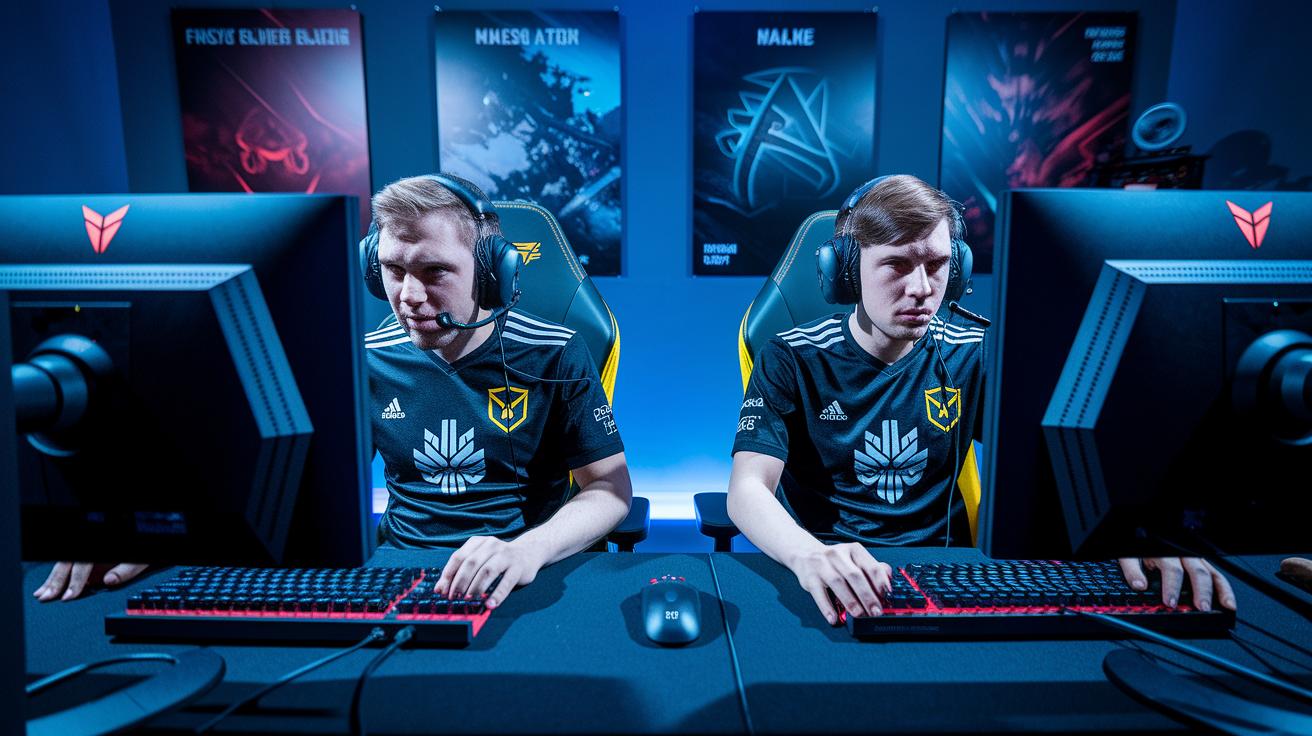
Esports ladders pack in real numbers and hard-earned lessons. In these case studies, we dive into how gamers take advantage of ranking tricks and progress checks across three big titles, each with its own style of evolving battle systems and game trends.
Counter-Strike 2 Ladder Insights
Counter-Strike 2 runs on a five-level ladder, starting at Silver and climbing all the way to Global Elite. The ranking is all about your average ELO (a match rating system) boost per win, and a big kill-death difference can really push your score up. Some players even switch to alternative ladders like FACEIT or ESEA, where the game intensity and pressure are different from the official system. Imagine pulling off a string of clutch rounds, each kill and assist literally boosts your ELO and helps you rise in the rankings.
Valorant Ladder Dynamics
Valorant’s ranking system stretches from Iron up to Radiant. Getting promoted here often depends on winning those critical rounds during tight promotion series. With regular seasonal resets and a point decay mechanic (a way to slowly lose ranking if you’re not playing well), every match really matters. Ever been in a nail-biting game where one key play turns the tide? That’s exactly the kind of moment that can swing your points and remind you how every round counts.
Modern Warfare III Performance Metrics
Modern Warfare III brings a fresh twist by keeping tabs on weapon mastery and how efficiently you score in each match. Every stat, from your score per minute to how you handle specific weapons, feeds into seasonal rank upgrades. When you hone your skills with a favorite loadout, every well-placed shot nudges you closer to the top. It’s like watching your hard work pay off, one calculated move at a time.
Final Words
In the action, we broke down key elements of competitive ladders, from ranking formulas to in-game tactics. You got a clear guide on mastering match strategies, team coordination, and technical setups that boost gameplay. The post explored how small tweaks in drills and communication help drive rank gains. Every section brought insights that add up, proving that a well-planned ladder strategy breakdown in competitive gaming can raise your game to the next level. Keep pushing forward and enjoy those rank-up moments.