

Ever wonder why some esports players seem untouchable? They put in endless hours perfecting their aim, staying on top of patch updates, and running drills that sharpen every move.
Even tiny changes, like honing your reaction speed (how quickly you respond in-game) or tweaking your play, can really up your performance. This guide breaks down the simple methods top players use to level up, so get ready to see how a few focused tweaks can boost your game and help you rise through the ranks faster.
Core Ladder Tactics for Esports Pros
Top players have a solid plan. They set aside days just for practicing aim with special aim-training tools, running custom map drills, and doing team scrims. Imagine spending a day perfecting every flick and tracking move. Every drill builds muscle memory and sharpens your reaction time.
Pro players stay ahead by checking patch updates daily. They quickly learn how tiny tweaks can change weapon stats or map layouts. Before you wrap up your day, give the patch notes a quick glance, a small change might be your next secret weapon.
Aim training is crucial. With dedicated software, players cut down input lag (that's the delay between you hitting a button and the game responding) and fine-tune their precision. Some days, you'll focus on making every shot count, all while top-notch gaming mice and keyboards help lessen input delay by about 5ms. Meanwhile, map drills with custom scenarios mimic in-game challenges and help uncover weak defensive spots.
Team scrims feel like live labs. They hold regular sessions and review what worked and what didn’t right after each match. Using voice chat and pings, they keep everyone on the same page during fast-paced battles.
Good gear makes a real difference. Quality mice, keyboards, and a 240 Hz monitor can shave off reaction time by around 10ms. Plus, mental conditioning, like doing simple box breathing during clutch moments and taking short, planned breaks, helps keep stress low and focus sharp.
| Tip | Description |
|---|---|
| Daily Patch Reviews | Stay updated on tiny tweaks that can give you an edge. |
| Aim Training | Practice with aim-trainer software to boost muscle memory. |
| Map-Awareness Drills | Run custom drills to spot weak spots in defensive setups. |
| Team Scrimmages | Practice together and review matches to learn what works. |
| Communication | Use voice chat and pings for clear, in-game updates. |
| Gear Optimization | Invest in quality mice, keyboards, and 240 Hz monitors to reduce delay. |
| Mental Conditioning | Use techniques like box breathing and take breaks to stay focused. |
For more tips, check out this guide on climbing gaming leaderboards at NerdLadder.
Analyzing Esports Ladder Ranking Systems for Tactical Advancement
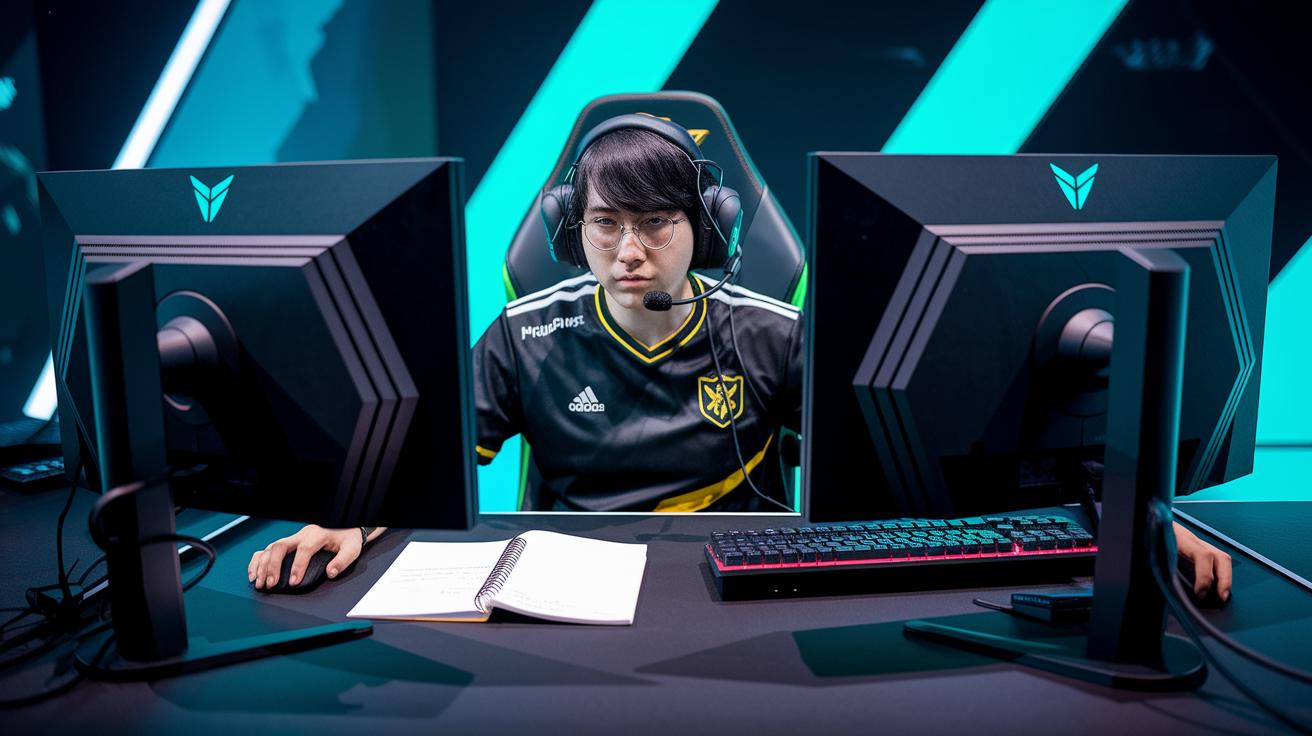
Most esports ladders use smart ranking systems like gaming leaderboard ranking algorithms based on Elo or Glicko (basically methods that adjust your rank depending on wins and losses). Every match matters, each win and loss shifts your standing a bit.
Pro gamers watch key stats such as win-loss ratio, kill-death ratio (aim for above 2.0), and how many objectives they capture during a game. These numbers give a clear snapshot of your performance. Regular play keeps your rank steady so one rough streak won’t tank your progress. Quick reaction times, down to the millisecond, can even highlight when you need to sharpen your game a bit.
Different tournament styles, like Swiss events or elimination brackets, need different tactics. Checking these stats often helps you tweak your strategy or gear setup to boost your rank. For more details on these ladder formats, take a look at esports ladder formats explained.
Pro-Level Match Preparation Fundamentals for Ladder Climb
Top players follow smart training routines that mix tough practice with chill recovery days. One day could be all about intense aim drills or map strategies, and the next, it’s a lighter session for review and rest. Imagine starting a session firing off aggressive plays, then winding down to jot quick notes like "My crosshair tracking improved after I tweaked my settings."
This strategy isn’t just about in-game practice. They also keep a monthly journal to record what worked and what didn’t and do a deeper performance review every few months. Picture writing, "I felt more confident during those clutch moments today," and watching those little wins build up over time. These simple checkpoints help fine-tune your tactics by spotting both small victories and areas that need a tweak.
Mind training is huge, too. Many pros use visualization exercises to picture their game plan before the match (it’s like a mental warm-up), and they run resilience drills to keep stress at bay when the pressure's on. They even practice managing cognitive load so that everything doesn’t feel overwhelming when the stakes rise.
Want more tips on mastering these training schedules? Check out how to climb the competitive ladder at https://sololadder.com?p=694.
Tactical In-Match Adjustments for Ladder Success
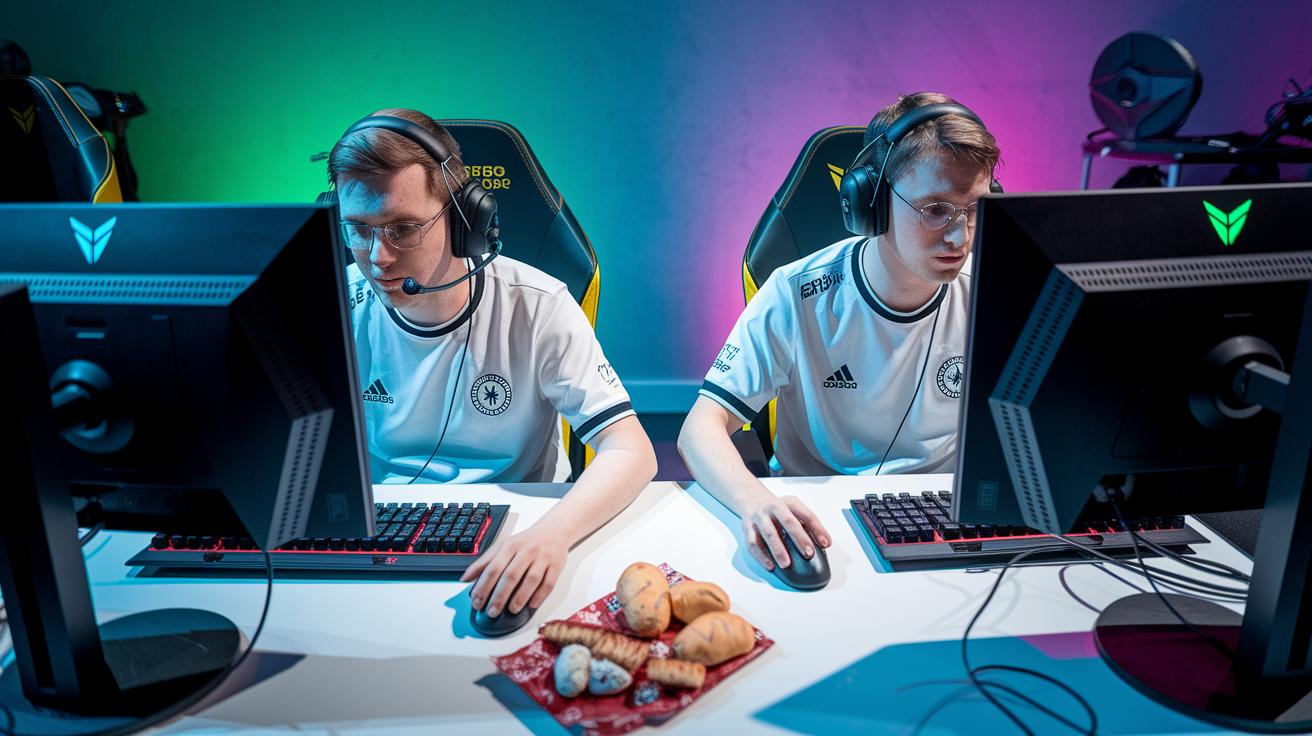
Top gamers know you have to switch things up mid-match to turn a close call into a big win. Quick callouts and timely pings help the team get in sync, boosting your win chance by nearly 30% if you adapt in the first couple minutes. Every second matters when you decide whether to charge in or pull back.
Players often dive into replays to spot enemy patterns. When a teammate shouts, "Aggressive push incoming," the squad flips from defense to offense, kind of like changing gears during a race. Plus, reaction drills are key, slashing just 5 to 10 milliseconds (ms, which is a super tiny bit of time) off your response can give you that crucial edge.
Clear, fast voice chat makes all the difference. A sharp call like "Move left, cover the flank" cuts through the noise and keeps the match on track. Focusing on these quick adjustments helps your team pivot smoothly in the heat of battle, keeping the pressure on your opponents.
Game-Specific Ladder Tactics and Meta Adaptation for Esports Pros
FPS Ladder Tactics (CS2, Valorant)
In fast-paced FPS games like CS2 and Valorant, pros sharpen their skills using aim trainers. They also tweak their utility lineups and manage recoil control with tiny adjustments, like changing their crosshair by 0.05° to switch a missed shot into a headshot. One gamer shared, "I practiced daily and those small fixes made a huge difference." Every match becomes a chance to fine-tune strategies and get even better.
MOBA Ladder Tactics (LoL, Dota 2)
For MOBA games like LoL and Dota 2, the focus is on managing the lanes and nailing objectives at the right time. Pros switch up their champion picks after each patch update to keep their gameplay fresh, sometimes boosting win rates by about 15%. They use smart techniques to clear waves and time objectives perfectly, which shifts the whole flow of the game. One player said, "Changing my champion pool based on the latest patch totally changed my game." It’s all about adapting and enjoying the rush of victory.
RTS Ladder Tactics (StarCraft 2)
In StarCraft 2, RTS players work on balancing their micro and macro skills. They plan staggered build orders to counter early rushes, and use clever scouting and timely adjustments to pressure opponents. For example, Team XYZ adjusted their build order in patch 11.15 and went on a five-game win streak. One RTS pro mentioned, "Using staggered build orders and keeping tight control on units changed my whole approach." It’s about smart planning and feeling the rush when your strategy pays off.
Sustaining Performance Consistency and Climb Momentum in Esports Ladder

Top players mix detailed game journaling with monthly win rate checks to sharpen their in-game strategies. They keep it simple by linking hard numbers to the moves they make during a match. For example, if you notice your headshot rate drops by 10% over a month, you might change your positioning on the fly. One player said, "I saw my headshots were 10% lower this month, so I quickly switched up my tactics to get back on track."
Every two weeks, many gamers review replays with a keen eye for key moments. They jot down things like repeated missed angles, turning those moments into solid lessons for future games. One player mentioned, "I spotted a pattern of missed angles at critical spots early on, so I tweaked my strategy and kept the match momentum alive."
Taking a look at long-term trends helps reveal tiny shifts that can change your game. This method stops you from just repeating the same old training moves and gives you a real edge by tying numbers directly to strategy changes.
On top of that, many players pair these insights with mental conditioning routines. Simple steps like scheduled breaks and box breathing (a method of deep breathing to calm your nerves) keep you focused. A quick note, like "nailed my positioning today," can turn every match into a chance to improve on the fly.
- Combine monthly stats with match journaling
- Turn replay feedback into smart tactical changes
- Study long-term trends for in-match shifts
- Mix mental breaks with data-driven ideas
Final Words
In the action, we explored core ladder tactics for esports pros with drills, gear tips, and mind resets. This article broke down daily patch reviews, tactical map work, and on-the-fly adjustments to keep your play sharp.
Each tip builds on the last, adding a bit more power to your performance. Keep practicing these ladder tactics for esports pros, and watch your gaming skills grow, bringing you closer to that next big win.
FAQ
What ladder tactics for esports pros are available through PDFs, Reddit, and guides?
Ladder tactics for esports pros found in PDFs and on Reddit share strategies like focused aim drills, map-awareness exercises, team scrimmages, gear optimization, and mental conditioning to sharpen competitive performance.
What are three key qualities an esports team should look for in potential players?
The three key qualities include clear communication, quick adaptability, and reliable mechanical skills. These traits boost team coordination and ensure players can excel under pressure.
What is the ladder system in games?
The ladder system in games uses ranking methods like Elo or Glicko to adjust scores based on wins, losses, and in-game stats. This system motivates continuous improvement and competitive play.
What does it take to go pro in esports?
Going pro in esports requires dedication through structured practice, including aim training, team scrimmages, and mental conditioning. This commitment builds the skills and focus needed for top-tier competition.
What is one of the biggest issues professional esports players go through?
One of the biggest issues is dealing with stress and performance anxiety during intense matches. Managing mental fatigue with techniques like box breathing helps players stay focused and resilient.