
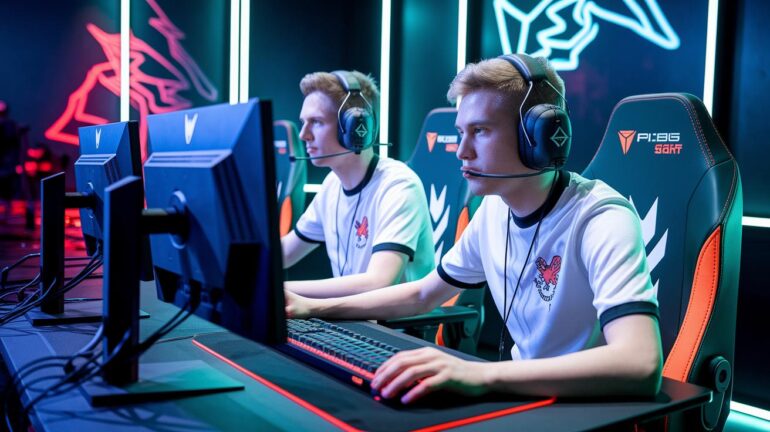
Ever wondered how a tight esports team could change the game? When every player in your squad hits their mark and calls out moves fast, it's like nailing that perfect combo in your favorite match. In this post, we dive into how real teamwork and solid leadership not only snag wins but also build a crew where everyone gets better together. We break down how hard practice, trust-building drills, and clear callouts all work together to pump up the energy in competitive gaming.
Esports Team Dynamics: The Foundation of Gamer Culture
Team dynamics in esports are the heart of a team's success. When every player sticks to their role and trusts one another, the squad moves like a perfect combo. Clear roles and quick chats mean no one’s confused when the pressure’s on. It’s like pulling off that epic, timed move in your favorite game.
This isn’t just about racking up wins. Good teamwork and clear talk set the vibe that fans love. When a team nails communication, it gives new players and fans a great example to follow. Every win feels like a shared moment, and even the tough games become lessons that bring the team closer.
For example, here are some key ingredients:
- Role clarity: Everyone knows what they’re supposed to do.
- Trust exercises: Regular drills help build solid confidence.
- Communication protocols: Set callouts and signals keep the crew in sync.
- Leadership emergence: Captains and coaches naturally rise to guide the team.
- Practice consistency: Scheduled sessions keep strategy sharp and teamwork tight.
When these pieces click, fans see competitive gaming in a whole new light. A united team sparks deeper connections and fuels lively online chats. Just like the excitement of a final match, every pass and every strategy helps create a culture where teamwork is everything.
Leadership and Coaching: Steering Competitive Gaming Synergy
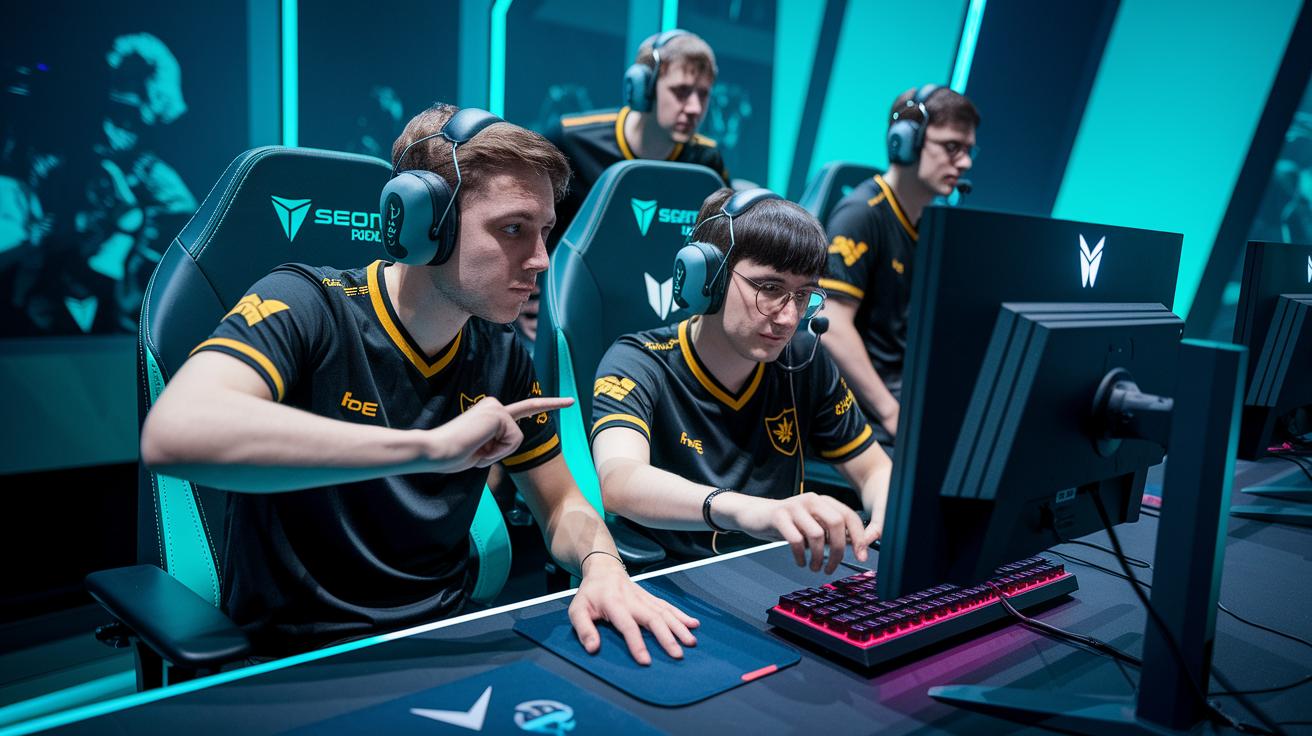
Coaches and team captains really set the vibe for any gaming squad. Coaches break down game tactics and teach you the tricks, all while giving real talk that smooths out miscommunication and even cools down any squabbles. And captains? They shine during those high-stakes moments, making quick calls and keeping everyone in sync like a perfect play. Together, they turn a group into a team that can handle whatever the game throws at them.
- Authoritarian
- Democratic
- Transformational
- Servant
Peer mentoring is like the secret boost no one talks about. Experienced players passing on pointers to newbies speeds up learning and builds trust. It’s like leveling up your bonds with your crew, making everyone feel a bit more confident when things get rough. In those super tense matches, this kind of camaraderie keeps spirits high and even helps sort out who might step up as a leader. Through relaxed yet focused chats, teammates get better at their roles and learn to communicate even when the pressure’s on. Mix solid coaching with lively leadership and genuine mentoring, and you create a team where every player’s skills can truly shine.
Communication and Coordination in Digital Squad Collaboration
Digital communication is a lifeline in esports, keeping your whole squad on the same page during those intense moments. Voice chat lets you share quick game plans, while team chat gives you a solid text backup when talking isn’t cutting it. And ping systems? They’re like ninja signals that instantly mark enemy spots or key objectives. These tools help you make quick moves, plan solid strategies, and stay in tune with your team.
| Channel | What It Does |
|---|---|
| Voice Chat | Fast spoken commands and instant feedback |
| Team Chat | Text-based game plans and updates |
| Ping System | Quick signals for spotting enemies and marking objectives |
When the game heats up, every call-out or ping can spark a new strategy. Quick, clear communication is the secret to switching tactics on the fly. Sharing info in real time helps your team dodge threats and grab every chance to win.
Practice Regimens and Performance Metrics for Team Cohesion
Teams follow a weekly schedule that mixes daily scrims, quick strategy chats, and review sessions to boost both individual and team skills. They start off with intense scrims that feel just like real matches. Then, during laid-back strategy sessions, they talk through game plans and tactics. Watching replays (VOD reviews) lets them catch mistakes and celebrate cool moves, building that muscle memory while uncovering spots where small tweaks make a big difference.
| Metric | Description |
|---|---|
| K/D Ratio | Tracks your kills versus deaths during scrims (helps you see if you’re staying alive while racking up eliminations). |
| Objective Control | Measures how well you hold key game zones (kind of like capturing the base or holding the fort). |
| Communication | Rates quick, clear call-outs among teammates (fast and smart chats can turn the tide of a match). |
| Strategy Execution | Checks if planned moves work in real time (did your foolproof plan go off without a hitch?). |
| Role Consistency | Ensures everyone sticks to their assigned part (each player doing their specific job keeps the team tight). |
| Team Synergy | Gauges overall coordination and flow (smooth teamwork is like a perfectly executed combo). |
Using these cool stats, teams turn numbers into smart insights. Coaches and players dig into each metric to tweak their practice and match strategies. This regular review fuels smarter plays and helps the team adapt game after game, building a competitive edge that feels as solid as a perfectly landed headshot.
Conflict Management and Psychological Resilience in High-Pressure Matches
In competitive gaming, tough matches can really pump up the stress. When players get overwhelmed or communication breaks down after long sessions, the team runs the risk of burnout. This kind of pressure can spark quick arguments or miscommunication when every second is crucial. It messes with team coordination and slows down those fast decisions we all count on during key moments.
Here are a few ways to help keep the team on track:
- Mediation sessions
- Role rotations
- Open-forum debriefs
- Peer mentoring
- Professional counseling
Mental-health tips go a long way in building a strong, resilient team during intense tournaments. Regular breaks let players recharge, and casual check-ins give everyone a chance to share their feelings. Quick access to counseling means conflicts get sorted out before they blow up. By using these proactive tips, teams can keep their minds sharp and spirits high, turning high-pressure moments into chances to level up both as players and as a team.
Team Identity, Fan Engagement, and Community Cultural Evolution
A strong team identity isn’t just about winning games. It’s about creating a story that pulls fans into every twist and turn. Every victory or setback feels like part of a big adventure. This unique story makes fans feel like they’re right in the action, sharing every high and low.
Teams build their image with a clear personality. Think of a crew that’s the scrappy underdog or a force that just can’t be stopped. This character helps fans bond over shared wins and hard-fought losses.
- Social-media storytelling – Teams share cool posts and behind-the-scenes clips that give fans a sneak peek into what really goes on. It’s like getting access to secret game footage.
- Live practice streams – Watching real training sessions live lets fans see teamwork in motion and even catch a few surprises.
- Fan tournaments – When teams host competitions where fans get to play with or against them, it deepens the connection between the team and its supporters.
- Influencer collaborations – Working with popular digital creators helps teams reach new fans, sparking chats that go beyond the usual.
Every epic play and fan cheer creates a loop that drives how the team looks online. One great moment can boost morale and even change how the community celebrates. When a team succeeds, the whole fan base feels it, and new ways to join the fun start popping up every day.
Final Words
in the action, we explored how team dynamics power every match. We covered clear roles, effective communication, steady practice routines, and strong leadership that boost on-screen performance.
We also saw how handling conflicts and building a tight community can reshape gamer identity. Key takeaways include role clarity, strong comms, steady practice, resilience, and community bonding.
When esports team dynamics influencing gamer culture, every small step builds towards big victories.
Keep pushing forward and enjoy every win.
FAQ
Q: How do esports team dynamics influence gamer culture and structure?
A: Esports team dynamics shape gamer culture by setting clear roles, streamlined communication, and organized structures that boost strategy and unity. This solid framework guides teams toward effective performance and community impact.
Q: Why is communication and collaboration crucial in both practice and competitive play for an esports team?
A: Communication is key since it speeds up decision-making and minimizes errors, while collaboration lets each player use their strengths to secure a win and adapt quickly during the match.
Q: What is the average salary of a professional esports player?
A: The average salary of a pro esports player varies widely. Earnings depend on the game, region, and individual performance, with top players making much more than newcomers.
Q: What common elements are shared by many popular esports titles?
A: Many popular esports titles share fast-paced gameplay, strategic teamwork, clear role assignments, steady communication channels, and competitive ranking systems that challenge and grow players’ skills.
Q: How has esports impacted the gaming industry and teamwork in gaming culture?
A: Esports has transformed the gaming industry by promoting strategic team play, sparking innovative game designs, and creating a strong fan-driven community that values collaboration and shared success.
Q: What motivates a team in esports to perform at their best?
A: A team in esports gets motivated by clear roles, shared goals, competitive spirit, and the thrill of working as one. This drive fosters loyalty and helps players improve together.