
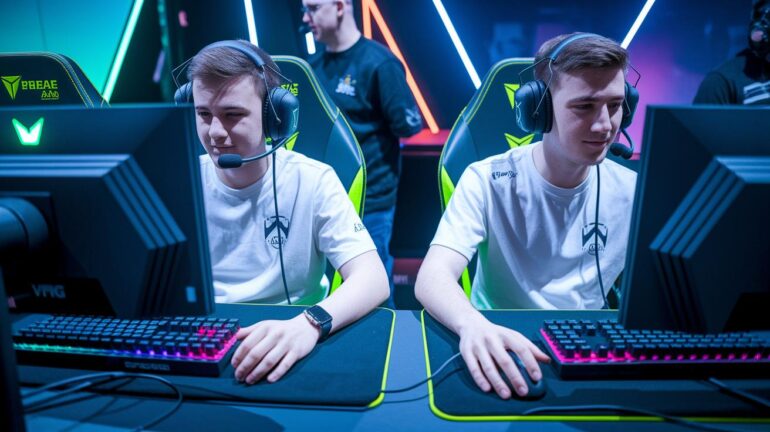
Ever notice how one gamer’s all about those classic arcade shootouts while another can’t get enough of VR adventures? It’s not just about the buttons you press or the score you rack up. It’s a world where each crew makes its own rules.
From old-school champions to indie trailblazers, every group has its own unique vibe. In this article, we take a deep dive into these pockets of gaming passion and show how they shape the way we play. Ready to explore what makes each crew click and maybe even pick up a few tricks along the way?
Overview of Different Gaming Subcultures and Identities
Gaming subcultures are groups of players who share the same ways of playing, talking, and having fun. They began with arcade lovers chasing high scores in the 1970s and have grown into vibrant groups of VR gamers and indie game fans who set their own rules. Think about it: these subcultures form when players come together over special experiences, like the rush of beating a top score in Pac-Man or designing a cool avatar in a virtual world. I remember back in the arcade days watching a kid crush Donkey Kong with pure determination, it was enough to light a fire in everyone around.
Today, the digital world is a mix of many gamer groups. Some cheer for big AAA games, while others celebrate creative, offbeat designs from smaller titles. There are even tight-knit circles that bond over fan-made mods or unique in-game styles. You can see these bonds in the way they use their own words, share inside jokes, and hold exclusive events that bring them even closer.
| Category | Description |
|---|---|
| Arcade Revival | Fans who love classic high-score challenges and retro gameplay. |
| Indie Communities | Groups that cheer on creative mods and experimental game designs. |
| AAA Fandom | Communities deeply engaged with blockbuster games. |
| VR Enthusiasts | Players who dive into immersive, full-body digital adventures. |
These different subcultures show how the whole gaming world comes together and keeps on changing.
Historical Evolution of Gaming Subcultures and Identities
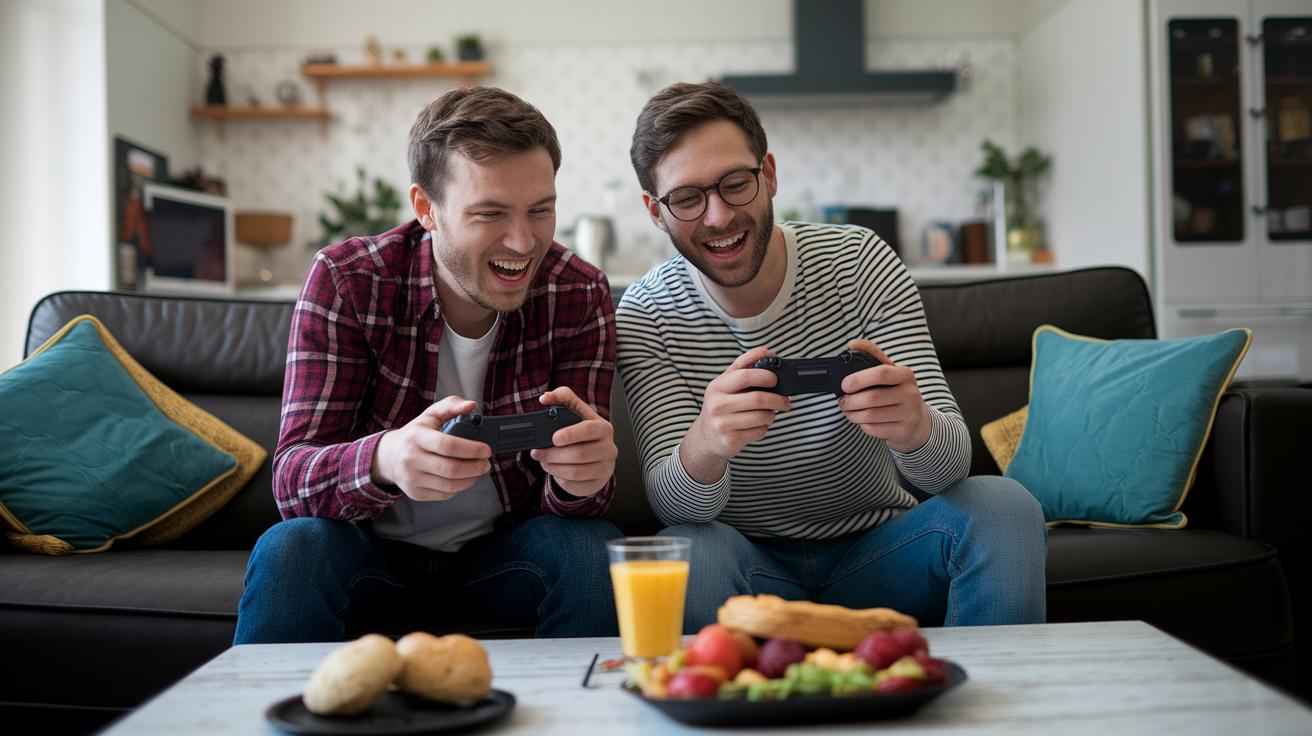
Back in the 1970s and 1980s, arcades were buzzing with games that lit up screens and sparked fierce battles for high scores. Think about classic hits like Space Invaders, Pac-Man, and Donkey Kong. Friends would gather around these machines, trading playful challenges and unforgettable rivalries, a vibe that set up gaming as we know it today.
Then the scene shifted in the late 1990s when online games like Quake and Counter-Strike started linking players from all over the globe. World of Warcraft clans became tight-knit crews sharing goals and epic strategies. This move from arcade showdowns to a vast online community changed the game. Suddenly, it wasn’t just about quick matches, but building teams and crafting smart, complex plays.
And then there was the Wii in 2006, a real game changer. Its cool motion controls brought the fun from arcades right into living rooms. Suddenly, everyone, from kids to grandparents, was jumping into games like Wii Sports. It wasn’t always about head-to-head battles but about laughing together and enjoying simple challenges. This shift showed that gaming could be all about community and connection.
Each era brought its own spin to the world of gaming. Early arcades were all about intense competition, online games boosted teamwork and strategy, and consoles like the Wii ushered in a welcoming vibe for everyone. Every step in this evolution has built layers of history that gamers still celebrate and chat about today.
Casual and Family-Friendly Gaming Subcultures and Identities
Casual gaming has really taken off because it brings people together for some good old fun. Remember when Wii Sports and Just Dance hit in 2006? Those games turned living rooms into buzzing hangouts for families and friends, sparking laughter and a little friendly competition. Think of it like a chill game night where everyone gets a turn and the vibe is all about having fun.
Now, smartphone games add an extra twist. Whether you’re playing a party game on a tablet or squeezing in a quick match on your phone during a bus ride, these games let you jump in anytime, anywhere. Even a simple puzzle can start a conversation, with friends comparing scores and trading tips. It’s all about turning everyday moments into a shared adventure that anyone can enjoy.
Fun for everyone.
Competitive Gaming Subcultures and Esports Identities
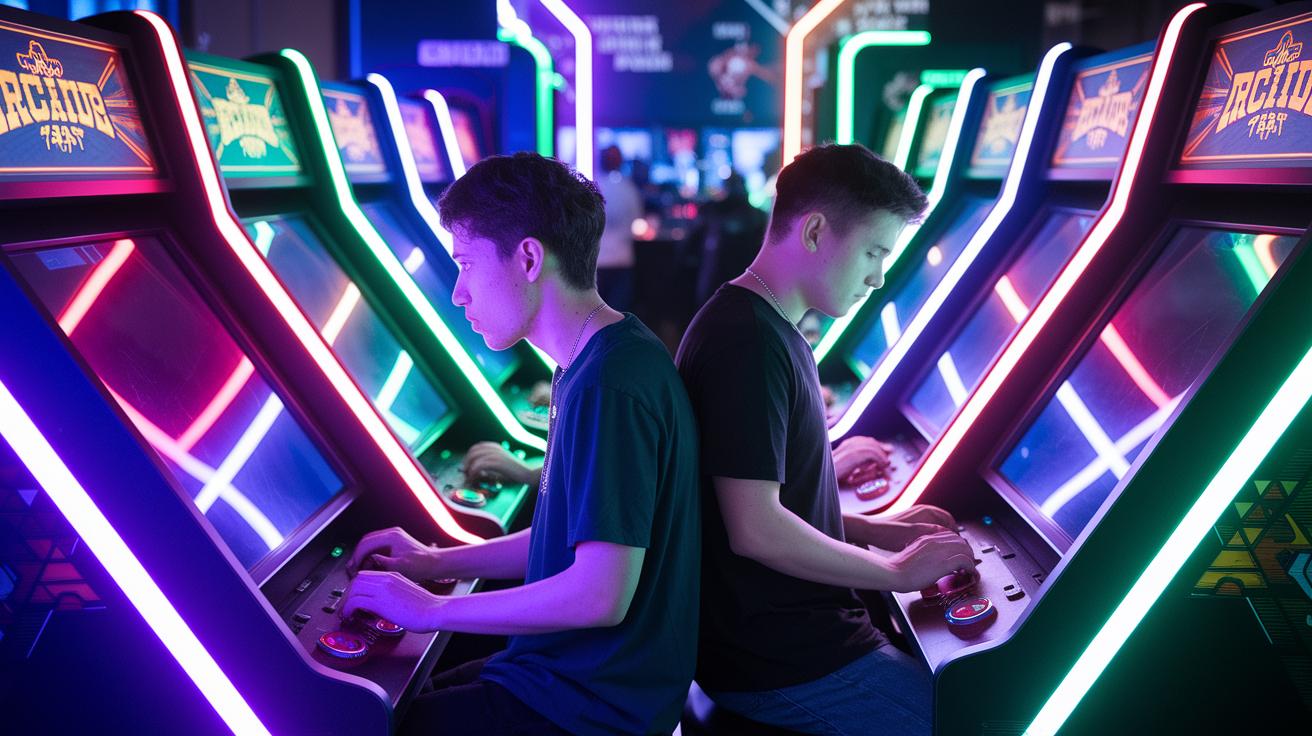
Competitive gaming is one of the most exciting parts of the digital world. Whether you're into League of Legends, Dota 2, or CS:GO, players are turning their skills into real careers. Imagine that rush when a perfect move under pressure elevates your digital status, like nailing a headshot in CS:GO.
Teams come together with a solid game plan, each player bringing their own unique strengths. Picture your crew pulling off a synchronized win, with every role lighting up the scoreboard. That special vibe of teamwork is what makes the scene truly epic.
Leagues span regions, linking local stars with international rivals in a neat and organized way. Rankings are a big deal here, shaping how players are seen in the community. Curious about how it all works? Check out how do gaming leaderboards work. These systems not only inspire players to level up their game, they also give fans a real-time way to track their favorite squads.
Competitive tournaments add even more heat, demanding quick decisions and smart strategies. Every match is a stepping stone, boosting a player's pro status and leaving fans buzzing over clutch moments. It’s these high-stakes battles that truly capture the spirit of esports.
Indie and Modding Subcultures Shaping Unique Player Identities
Indie game fans and mod creators are shaking up how we play. Ever see a mod that turns an old game into a totally new adventure? In Skyrim’s huge mod scene, a tiny tweak can completely change the feel, making a well-known journey feel fresh and exciting. Indie communities aren’t just about playing, they’re about reinventing the game with cool fan-made changes.
Fans love using simple tools and easy game editors that let them experiment. These mod groups come together on platforms that let players change everything, from the look to how the game works. They treat swapping game pieces and overhauls like art, where trial and error creates a unique vibe.
Take Minecraft as an example. On many servers, players build worlds with quirky rules and mechanics, showing off their passion for tweaking gameplay. Indie developers and content creators team up to break the mold, proving that the future of gaming is written by those who play.
Retro Arcade Revival Subcultures and Nostalgic Identities
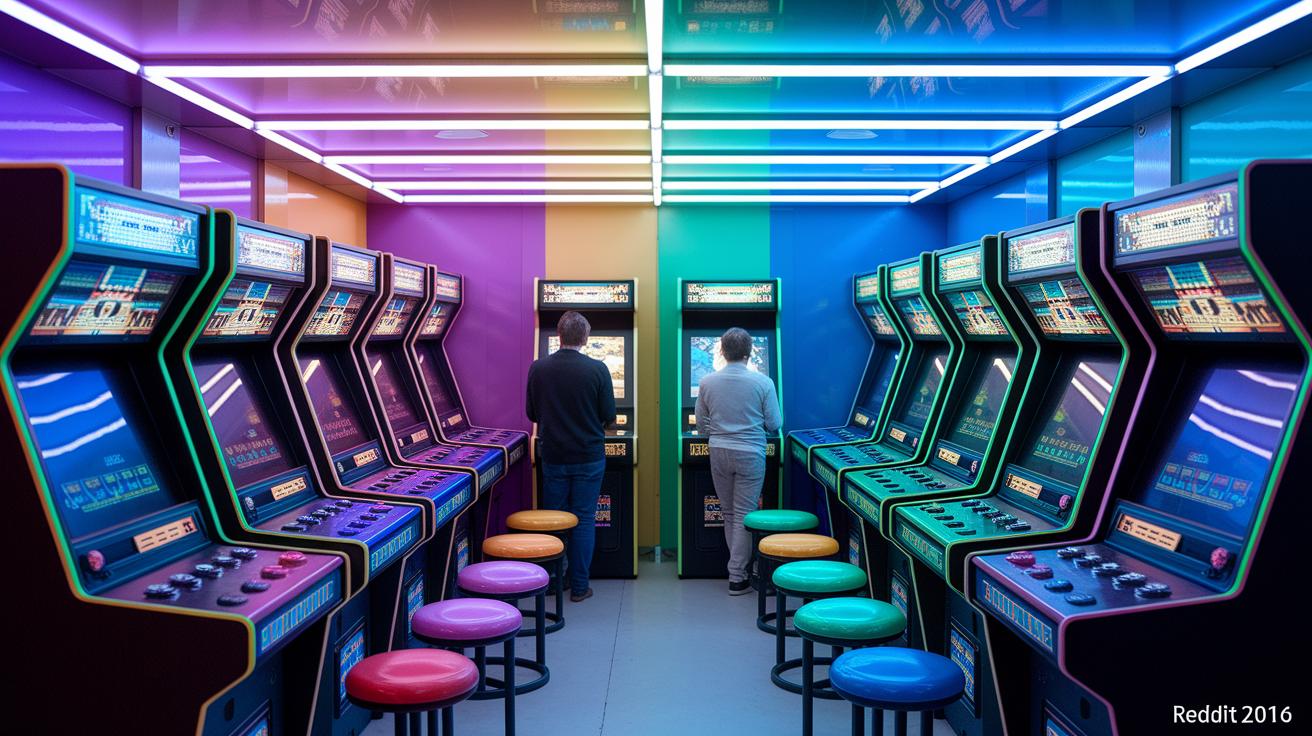
Retro gaming still gets everyone hyped. Imagine classic machines with pixel art, real sounds, and that old-school charm that pulls you right back into the past. Fans of Space Invaders, Pac-Man, and Donkey Kong flock to barcades and collector fairs to relive those high-score moments and the satisfying click of coin-operated machines.
Picture stepping into a barcade and catching an old jingle echoing through the room. Every light, every sound sparks a memory of epic arcade battles and shared wins. It feels like each beep and burst of color invites you to dive deep into a world where every game was an adventure.
At these spots, gamers swap stories, show off rare collections, and chat about how those arcade vibes still shape today’s game design. They remind us that vintage arcades aren’t just about nostalgia, they inspire modern creativity and keep the community strong and connected.
Virtual Reality Gaming Subcultures and Immersive Fantasy Identities
Ever jumped into VRChat where full-body immersion feels less like a gimmick and more like letting your true self shine? You get to pick unique avatars and dive into role-play that seems ripped right out of an epic dream. Think of Beat Saber: every swing at a flying block not only scores points but also shows you how gaming lets you reinvent who you are in a 3D world.
These digital spaces might remind you of the cool AR experiments happening around us. Here, normal rules just don’t stick. Gamers explore wild worlds where even physics seems to take a break, and every move adds a twist to the story. Imagine playing as an avatar with zero limits, a canvas where every interaction paints a new chapter of your digital adventure. This journey into immersive fantasy turns gaming into pure art, making your identity as fluid and exciting as the virtual worlds we all love.
Live Streaming and Content Creator Impacts on Gaming Subcultures and Social Identities
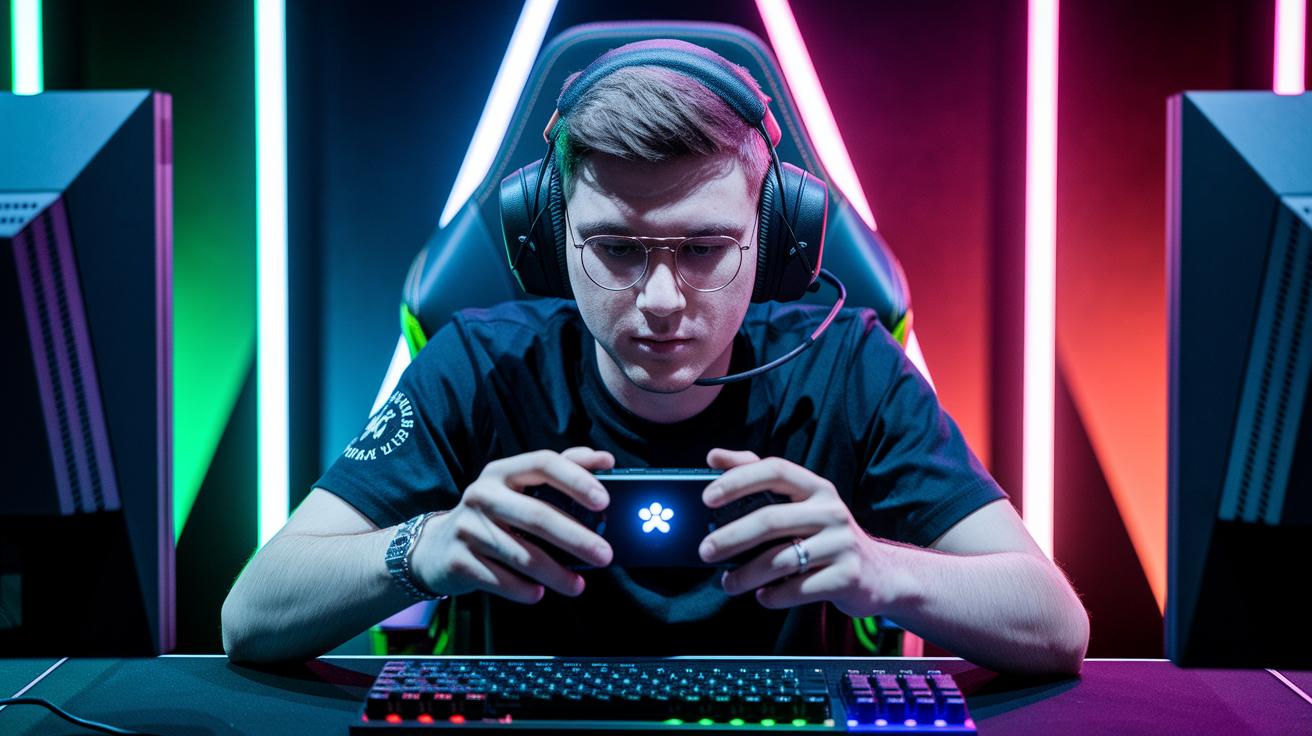
Gaming streaming has totally changed how we play and connect. Platforms like Twitch and YouTube Gaming turn regular gameplay into live events that feel like a party. When a streamer scores a clutch win, the chat explodes with emotes and inside jokes like a quick, fun ritual. Fun fact: many top streamers started out playing in front of small local groups, slowly building confidence one game at a time.
Live broadcasts are all about getting everyone involved. Fans jump in with their comments in real time, turning simple chats into a special language that everyone understands. When someone pulls off a cool move, it sparks debates over what worked best and why. Influencers even clip the best moments to share them on social media, making a good play even better by spreading the hype across networks. In this way, individual wins grow into big, shared celebrations.
Every gamer you see online leaves a mark beyond just one stream. Exposure on popular platforms ties these moments to global trends and helps shape how we see ourselves in the gaming world. Whether it’s a shocking comeback or a flawless series of plays, every broadcast builds clues about what modern gaming culture is all about. These live, shared experiences don’t just entertain, they bring gamers together, building strong bonds and unique social identities along the way.
Final Words
In the action, we've seen how different gaming subcultures and identities shape every play style, from those nostalgic arcade revivals to modern competitive leagues. We broke down casual fun, pro battles, indie creativity, immersive VR, and even live streaming vibes. Each piece paints a clear picture of how various groups bring their own flavor to the gaming world. Let this guide fuel your passion and help you level up every time you log in. Game on and keep celebrating your unique style!
FAQ
Q: What is gaming culture?
A: Gaming culture represents the shared environment where players connect through common values, play styles, and communication. It covers everything from arcade competitions to modern esports and streaming communities.
Q: What are examples of gaming subcultures?
A: Gaming subcultures include casual groups, competitive esports fans, indie modders, retro arcade enthusiasts, immersive VR communities, and content creators. Each group shares unique habits and community norms.
Q: What are gamer subculture values?
A: Gamer subculture values center on teamwork, creative expression, friendly competition, and mutual respect. Players share tips and strategies that make gaming an engaging and social experience.
Q: What are the different personality types in gaming?
A: The different personality types include competitive pros, casual social players, creative modders, and deep role-players. Each group brings unique skills and energy that shape the overall gaming community.
Q: Is gaming a subculture or counterculture?
A: Gaming is a subculture where players build communities around shared habits and values. While it sometimes challenges mainstream ideas, its focus is on forming distinct communities with common interests.
Q: Is esports a subculture?
A: Esports functions as its own subculture. It revolves around team play, tournament competitions, and ranking systems, all of which build a community focused on skill, digital personas, and competitive achievements.
Q: What is the history of gaming culture?
A: Gaming culture began with arcade high-score chasers in the 1970s and evolved through online multiplayer games and live streaming. This evolution has shaped today’s dynamic and varied gaming communities.
Q: What do the terms “Different gaming subcultures and identities pdf” and “Different gaming subcultures and identities ps4” refer to?
A: These terms indicate resources that outline player identities and diverse communities across platforms like PS4. They often come in document form and detail the evolution and characteristics of various gaming groups.