
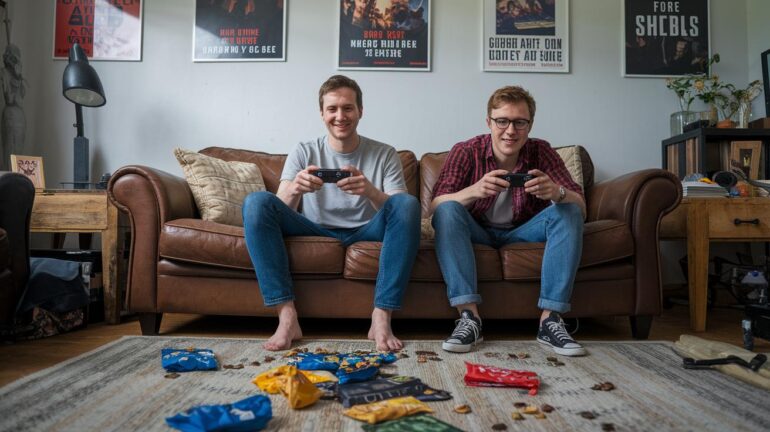
Ever wonder how games changed from simple coin-op fun to today's digital playground? Back in the day, crowds would gather around machines to crush high scores in Pong and Space Invaders. Then home consoles popped up, turning bedrooms into mini arcades where you could dive into your own world of play.
Now, you can jump into online battles or take on mobile challenges, connecting with gamers all over the world in real time. Gaming isn't just about fun anymore, it's a huge global community where every win feels epic. Read on to see how our favorite hobby has transformed into a worldwide adventure.
Gamer Culture Evolution Timeline: From Arcades to Modern Platforms
Back in the 1970s, gaming began in arcades with classics like Pong and Space Invaders. Gamers rushed to these spots just to hit a high score and feel that simple thrill. Then in the 1980s, home consoles made their debut, which let you bring the arcade excitement right into your living room. Imagine booting up an Atari 2600 or NES and feeling like you just unlocked endless fun.
The 1990s changed the game with PC gaming and cool 3D graphics. With hits like Doom, Quake, and Half-Life, games started to look and feel more real. It was like suddenly finding a secret level where everything burst into life, drawing you into a new world. This era seriously pushed gaming tech forward and brought even more people into the community.
Today, mobile and online gaming are huge. Games like Candy Crush, Clash of Clans, and Pokémon Go connect people worldwide, even if you’re just playing a quick level on your phone. Remember the buzz when your phone pinged a challenge from a buddy? That’s gaming bringing us together, no matter the distance.
| Era | Key Developments | Representative Titles |
|---|---|---|
| Arcade | Introduction of coin-operated machines | Pong, Space Invaders |
| Home Consoles | Shift to in-home entertainment | Atari 2600, NES |
| PC/3D Graphics | Enhanced graphics and immersive play | Doom, Quake, Half-Life |
| Mobile/Modern | Global reach with casual, touchscreen play | Candy Crush, Clash of Clans, Pokémon Go |
Shifts in Gamer Communities and Social Interactions
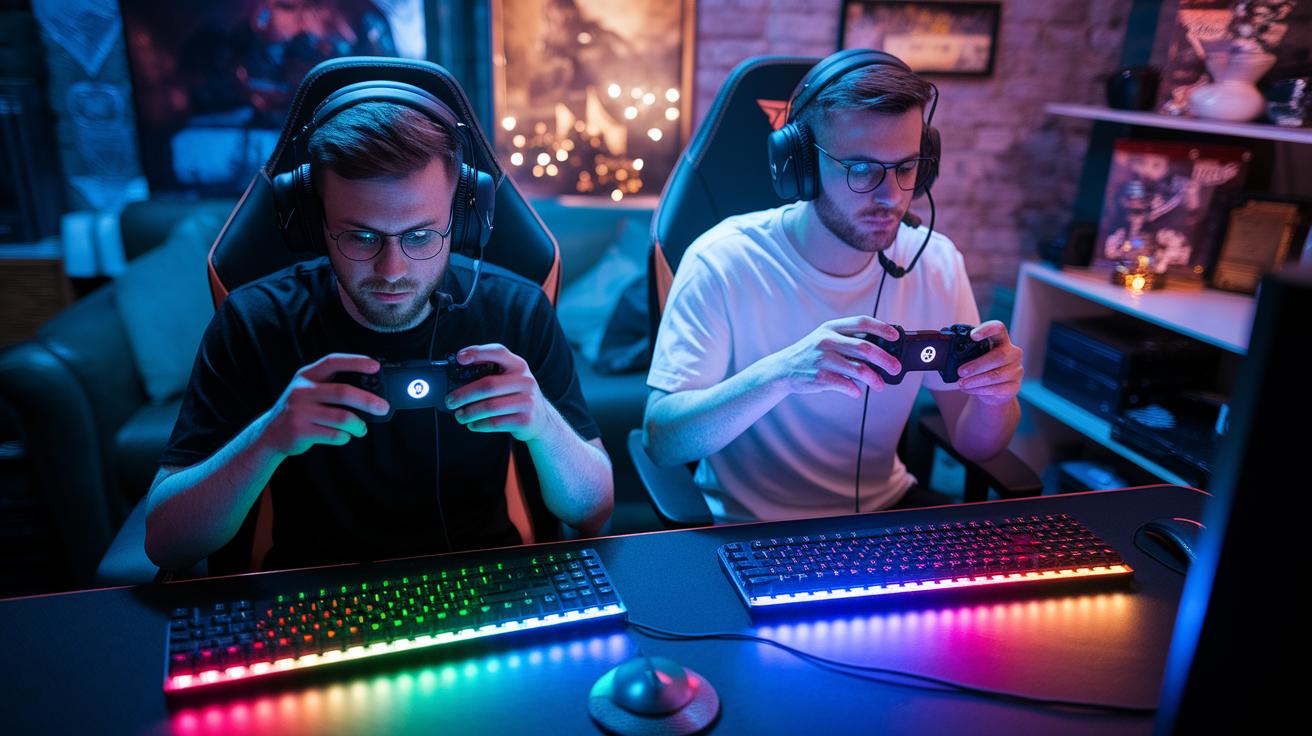
Gamer culture has changed big time thanks to online multiplayer games that break down borders and pull players together like never before. Chat rooms, forums, and social media groups have become the new hangouts where gamers swap tips, share those heart-racing win moments, and just enjoy the vibe. Imagine being in the middle of a tough match when a quick chat reminder sparks that "teamwork makes the dream work" feeling. It’s not just about the game, it’s about boosting your skills in chatting, planning, and working together like a solid team.
Digital communities have grown into full-blown social networks where players form friendships that stick. These new platforms encourage sharing strategies and even friendly rivalries, turning solo gaming into a fun, social event. It’s pretty cool how one simple game invite can lead to lasting friendships, sharpen your problem-solving skills, and connect you with gamers from all over the world.
Advances in Gaming Technology and Cultural Impact
Back in the day, gamers were blown away by 3D graphics that made flat screens come alive. Today, virtual and augmented reality tech takes immersion to a whole new level. Imagine suiting up and walking straight into your game arena, almost like entering a real-life level.
Modern VR headsets and AR apps mix the digital and real worlds in ways that change the game. You actually turn around to face in-game challenges, making every moment feel super personal. Picture playing an AR puzzle game where clues pop up on actual city walls, or a VR shooter where every dodge and reload happens right in your living room. Sure, developers still face hurdles like boosting comfort and cutting down motion lag, but these breakthroughs are opening up cool new ways to team up and compete.
As tech evolves, so does the culture. Gamers now meet up for live VR events and virtual hangouts, swapping tips on designing safe play spaces and custom VR environments. This shift is breaking the mold of traditional gaming sessions and bringing everyone closer together.
Rise of eSports and Streaming in Gamer Culture
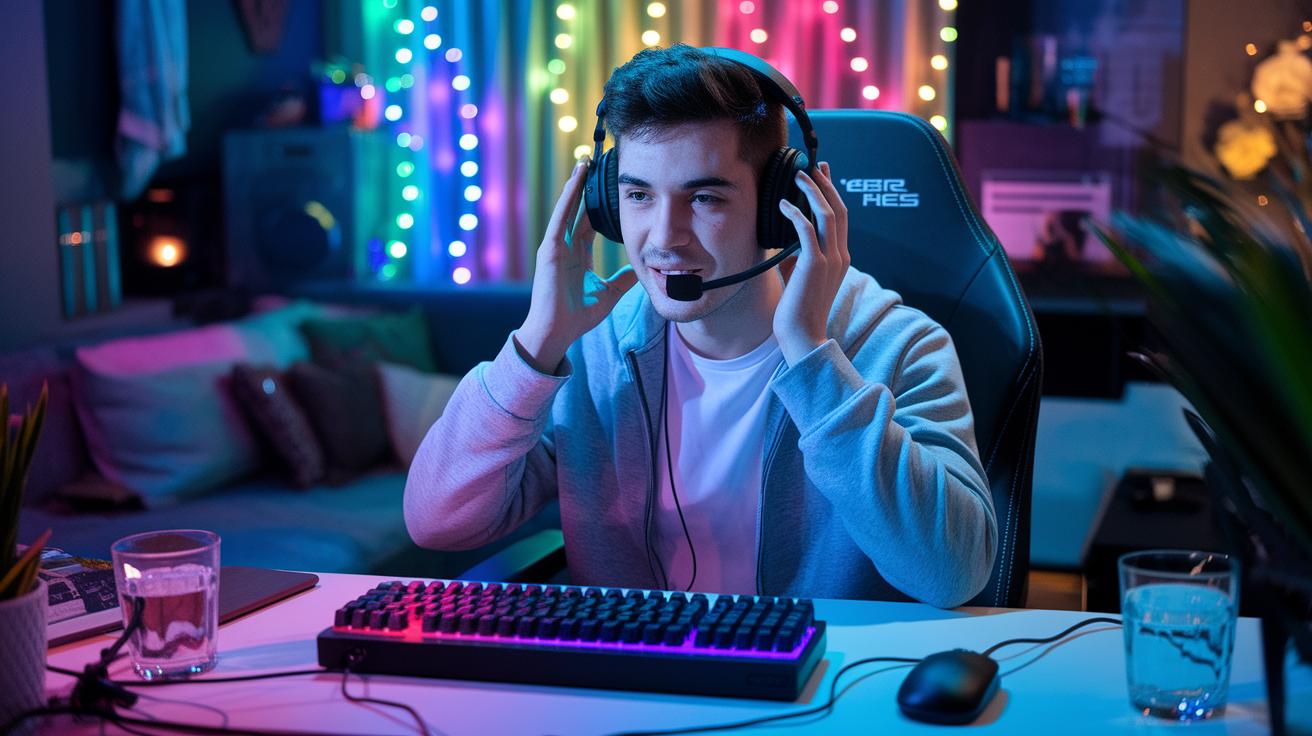
Competitive gaming has come a long way from old school arcade challenges to worldwide events that pull in millions. In the early days, titles like StarCraft and Counter-Strike sparked a movement that grew into billion-dollar eSports leagues. What started as fun LAN parties has now morphed into international showdowns, boosting excitement for both players and fans. And with streaming turning gameplay into live must-see moments, everyone gets to share in that rush of adrenaline together.
Rise of eSports Tournaments
Tournaments began as small, local LAN parties but quickly exploded into massive events held in packed arenas. Back then, gamers would gather to battle it out right in their neighborhoods. Soon enough, those early tournaments set the stage for the global leagues we cheer on today. With bigger prize pools and slick production, these events now pull in sponsorships and media buzz. Competitive gaming has grown so much it’s seen as a real sport by fans everywhere.
Growth of Streaming Platforms
Streaming completely changed how gamers and fans interact. Platforms like Twitch and YouTube turn playing into an interactive live show. With real-time commentary and chat, gamers can share tips, strategies, and even a few laughs with their audience. This shift means that what used to be a solo session now becomes a shared adventure, fueling fan loyalty and community spirit.
- Broadband access
- Sponsorship deals
- High-profile live events
- Advanced platform features
- Community interaction
Indie Game Movement and Its Influence on Gamer Culture
Indie developers broke the old rules and brought in fresh ideas that transformed gamer communities. Small studios and solo creators made games with a personal touch, proving you don’t need a huge budget to impress. Platforms like Steam and itch.io launched hits like Minecraft and Undertale, capturing gamers’ hearts and sparking new, tight-knit subcultures. Picture a game that feels as personal as a handwritten note, where each detail shows off the creator’s passion. When Minecraft first appeared, hardly anyone expected its massive impact. These games helped players come together, sharing mods and fan content that celebrated pure creativity.
Indie games soon sparked a bigger shift in how we play and think about gaming. They mixed retro vibes with modern design, fueling a lively scene of mods and fan art that went way beyond traditional gameplay. Gamers rallied around unique stories and quirky art styles that stood out from the mainstream crowd. It’s like uncovering a hidden level that changes how you see the whole game. Each indie title added a new layer to digital entertainment, carving out spaces for personal expression and community-driven innovation.
Modern Gamer Demographics and Cultural Diversity
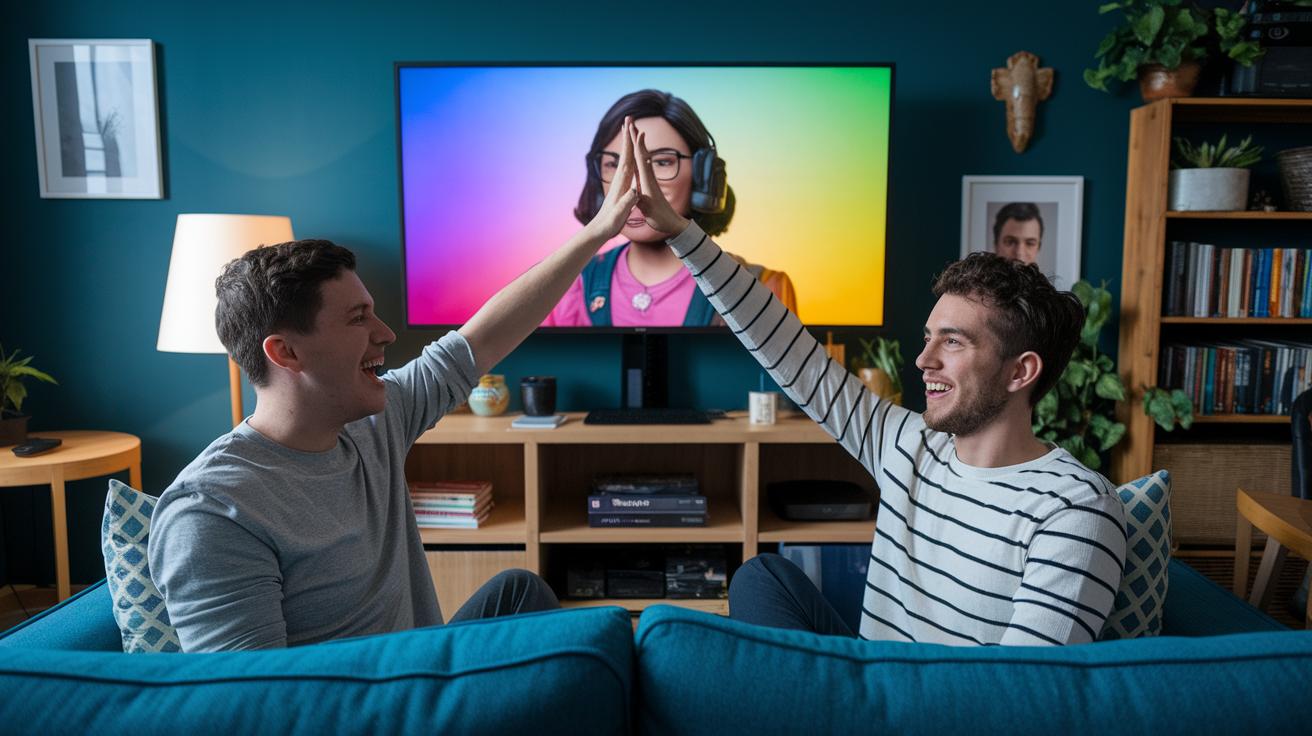
Over time, gamers and critics pointed out the lack of diverse characters and behind-the-scenes teams. This criticism pushed developers to change their playbook. Now, studios work hard to feature characters from different backgrounds and experiences. They even tweak the game stories to include feminist and LGBTQ ideas (adding strong, inclusive characters) that mirror our world. One fan said it best when a game introduced a bold lead character: "It felt like my voice finally mattered."
Today, players come from every age, identity, and walk of life. Social media has become a megaphone for voices that were once quiet, steering game narratives in fresh directions. Online communities and streaming platforms are buzzing with diverse perspectives, sparking lively talks about game design and trends. Picture a live stream where the chat lights up because they see a character who feels real during a high-stakes match. This evolving scene shows how fan feedback turns games into true reflections of a passionate, diverse community.
Final Words
In the action, our post raced through the evolution of gamer culture from arcade classics to high-tech battles. We broke down key moments, from the age of home consoles, the rise of online communities, and the surge in eSports and streaming, to the indie game boom and today's diverse gamer scene. The content shows how has gamer culture evolved over time, laying out clear, relatable benchmarks. Keep your eyes on upcoming trends and continue leveling up your play with every new insight.
FAQ
How has gamer culture evolved over time including experiences from Reddit and trends from 2021?
The evolution of gamer culture reflects a journey from local arcade hangouts to vibrant online communities like Reddit, where diverse interactions and modern trends from 2021 shape how players connect and influence game development.
How has technology impacted gaming?
The impact of technology on gaming is marked by sharper graphics, faster connections, and immersive elements like VR (virtual reality) that transform simple gameplay into rich, engaging experiences.
How have video games changed the world, their popularity, design, and industry culture?
Video games changed the world by boosting interactive entertainment, driving innovative design, and fueling a surge in popularity that reshaped American culture and set industry milestones through key titles and evolving gameplay.
How has esports evolved over the years?
Esports evolved from local tournaments to global leagues, with streaming platforms turning competitive play into major spectator events that highlight skill, strategy, and community excitement in gaming.
How has the perception of video games changed over time?
The perception of video games shifted from being seen as niche hobbies to recognized forms of art and entertainment, celebrated for creative storytelling, innovative tech, and the power to bring communities together.