

Ever wonder if your gaming service is secretly holding you back? Picking the right provider is like choosing your best teammate for a high-stakes match.
You need a partner who keeps your gameplay smooth and lag-free while truly getting what excites you. It’s like gearing up for a boss fight: check your gear, pick the perfect tool, and then dive in headfirst.
In truth, doing your homework and finding a provider that matches your style could be the difference between a clunky play and that perfect win.
Essential Criteria for Choosing a Gaming Service Provider
When picking a gaming service provider, it all starts with a solid plan. Do your homework by checking out current trends and what competitors are up to. A top provider shows they know what gamers love through fun games, smart marketing, and steady game improvements. Think of it like a game that updates all the time to keep you hooked.
It’s key that providers make sure your gaming journey is smooth. That means games running without any hiccups and marketing that really clicks with you. When each game click feels just right, you know you’re in a safe and trusted space.
A provider that plans smartly and cares about quality stands out. They not only meet today’s game standards but also get ready for tomorrow by studying data and understanding exactly what players enjoy. It’s a bit like a skilled gamer reading an opponent’s next move, everything stays smooth and secure.
At the end of the day, choosing a gaming partner is all about finding a provider that blends market smarts, tech know-how, and a real passion for quality play.
Evaluating Key Attributes of Gaming Service Providers

When you're picking a gaming service provider, look for more than just games. You want a partner that brings a creative game lineup and solid tech skills (think smooth, lag-free play like your favorite game running at peak performance). Providers with awards or a proven history of safe, seamless game launches show they know their stuff, kind of like having a pro gamer behind your platform.
Next, check if they really care about meeting gamers' expectations. They should offer reliable tech that syncs easily with your setup, just like when your favorite game plays perfectly on all your devices. A good provider makes the tech side of things feel as smooth as a well-rehearsed combo.
Here are five must-have qualities you should look for:
- A mix of games that can satisfy all kinds of players.
- A strong reputation, ideally backed by awards and positive reviews.
- Clear technical know-how in game design and building reliable software.
- Easy-to-integrate API options to connect with your current systems.
- Official licenses from trusted regulators to keep play safe and fair.
This checklist is a great way to start. Each quality adds up to boost the overall gaming experience, from solid tech setups to pure player enjoyment every time you hit play.
Comparing Gaming Service Provider Packages
Picking the right digital game package is as important as choosing the best gear for your battle. You need to check what each supplier brings to the table. Some packages pack classic casino games, while others serve up the thrill of live dealer action that feels like you're right in the middle of the game. Many options let you tweak things to fit your style, offer back-office tools for smooth management, and include solid player features to keep your crew engaged. In short, you want a package that delivers a smooth play experience, whether it’s an old-school hosting setup or the latest cloud gaming tech (that means you’re streaming games from a remote server).
| Service Type | Ideal Use Case |
|---|---|
| Online Casino Games | For platforms that need quick, reliable integration |
| Sports Betting | Great for operators looking for real-time odds and fast play |
| Live Dealer Games | Perfect for sites aiming for interactive, immersive play |
When you're checking out digital gaming platforms, don’t just focus on cool games. Make sure the package has the tools you need to grow and manage your platform. Think about it like setting up the perfect game plan that lets the tech handle the heavy lifting, so you can be ready for your next big win.
Assessing Performance and Reliability of Gaming Service Providers

When you're on the hunt for a gaming service provider, the numbers really matter. Check out key stats like uptime (how often the service is up), server response times (how fast the server replies), and load-testing results (simulated heavy use) to see if the platform can handle the heat during a big match. Ever felt that sinking frustration when lag ruins your game? Consistent uptime means fewer interruptions and a much smoother play.
Mobile play is huge these days, too. Providers that support HTML5 make sure your games look and work great on phones, tablets, and computers alike. And if you can keep an eye on real-time dashboards, you get a live pulse on performance, just like checking your health bar in the middle of action.
Also, look for providers promising at least 99.9% uptime and offering clear status pages. This shows they’re serious about quality and helps you plan for any planned maintenance or unexpected downtime. In a nutshell, a dependable provider is like a rare in-game item, always reliable and ready to keep your gameplay epic.
Understanding Pricing Models for Gaming Service Providers
Understanding the costs for gaming services is super important if you want your platform to run smoothly. Basic gaming platforms usually cost anywhere from $10,000 to $50,000, but a custom build can easily push the price over $100,000. Think of it like starting with a simple starter pack and upgrading with cool features as you go, that's the magic of cost-effective game solutions.
Most pricing plans come with a mix of fees. You'll see a setup fee to get started, revenue sharing (you pay a bit of your winnings), monthly licenses for ongoing support, or even a small charge every time you make a transaction. Here's something cool: some gaming operators love flexible pricing because it grows with their player base, meaning your spend scales up as you win bigger.
Being clear about costs is a must. When fee details are laid out plainly, you can plan your budget better and get the most out of every dollar spent. By knowing the ins and outs of these pricing models, you'll be able to compare providers smartly and pick a solution that fits your budget and growth plans perfectly.
Evaluating Support and SLAs with Gaming Service Providers
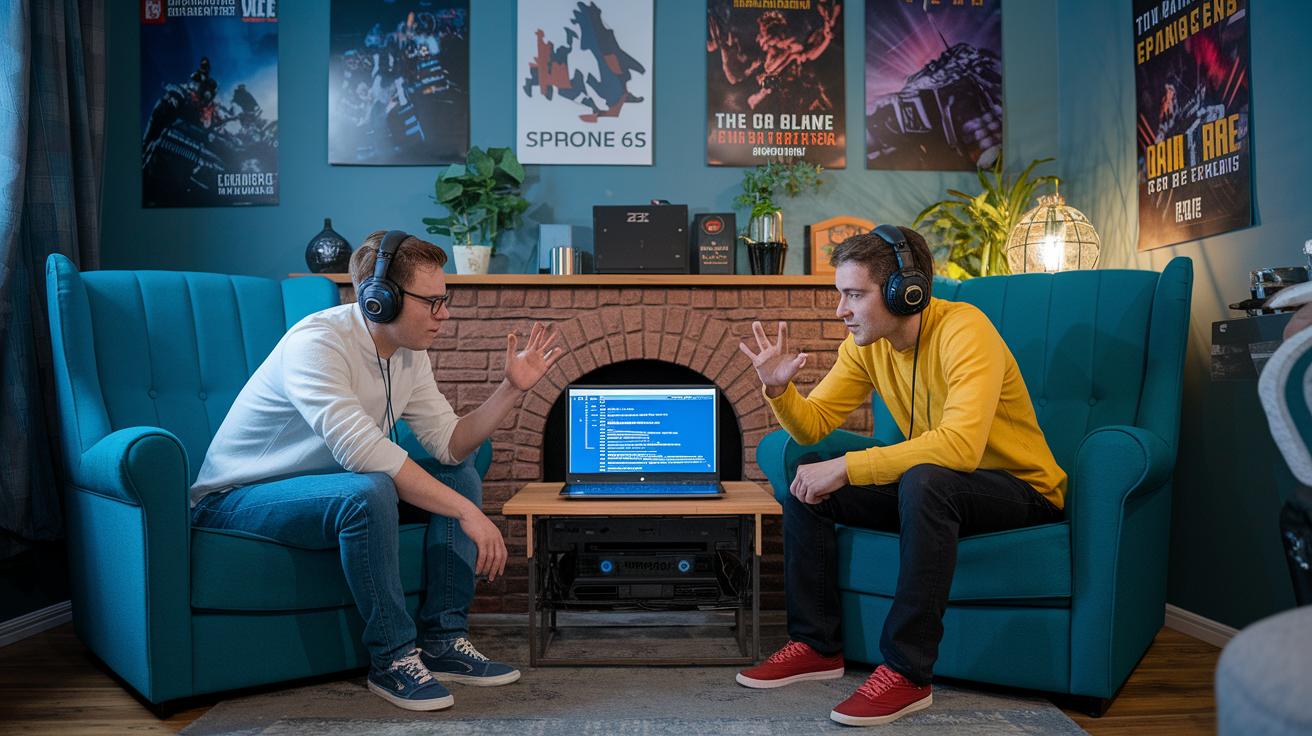
When you’re picking a gaming service provider, take a deep dive into their support setup. Ask them about things like SLA response times, if support is available around the clock (that means 24/7), and what they do when issues need to be escalated. For example, try asking, “How fast do you’ve got our back when something goes wrong?” This helps you see if they’re quick on their feet.
Next, make sure you get a clear, upfront SLA. Look for details on how long the service is supposed to be up, booked maintenance times, and even any penalties if they drop the ball. I once asked a provider about handling scheduled downtimes, and their clear explanation really put my mind at ease.
It’s also smart to check how fast problems get fixed. See if they offer a dedicated status page or a real-time monitoring dashboard, tools that keep you in the loop like a live game update. Key factors to consider are:
| What to Check | Why It Matters |
|---|---|
| Response times during emergencies | You need quick fixes during critical moments |
| Support outside regular hours | Games don’t play by office hours |
| Steps for escalating unresolved issues | Always have a backup plan |
With all this info, you can decide if a provider is set up for reliable, round-the-clock support, just like the backup you need during those intense gaming sessions. Ever felt that rush knowing help is just a click away during a crucial play? That’s the kind of assurance you deserve.
Ensuring Security and Compliance in Gaming Service Provider Selection
When you're picking a gaming service provider, security should come first. You want to see strong data protection in place. Look for encryption (this locks your data safe) and solid fraud-prevention tools. Smart contracts with blockchain tech work like an automatic scorekeeper that never cheats, ensuring payments are final and fair.
Also, check that the provider has proper licenses and follows the rules for digital platforms. They should stick to rules like GDPR (an international rule set for data protection) and support fair play to build trust. It helps if they get regular audits to keep risks low. Ask about their encryption and risk management steps so you know they can handle unexpected challenges.
These precautions not only open up the market but also lower risks, keeping your gaming platform safe and trusted. Always ask, "Are strong security controls in place?" to be sure you get top-notch data protection and clear compliance measures. Regular internal security checks help make the whole setup even more reliable.
Market Trends and Innovation in Gaming Service Providers

Gaming service providers are moving fast, shaking up the scene all the way to 2025. They’re using numbers and real-time stats (that’s data-driven marketing) to keep you engaged as you play. Imagine the thrill when the game adjusts its difficulty and rewards just for you, thanks to smart AI tweaks. And don’t worry, there’s also top-notch fraud prevention working behind the scenes to keep things safe and fair.
New providers are stepping up their game by adding social casino features that let you join in on group challenges and friendly competition. Responsible gaming isn’t just a trendy term anymore; it’s built right into the play experience, making sure everyone has a good time. Web3 is also in the mix with cool bits like NFTs and decentralized gaming elements that bring a fresh vibe to the market.
On top of that, enhanced analytics help fine-tune game design by tracking what players do. The innovators in this space use flexible tech (modular architectures and microservices, which means updates drop in smoothly, almost like finding a secret level) to stay ahead. In short, these smart setups and constant upgrades are key when you’re looking for a provider that’s ready for the future.
Final Words
In the action, we broke down smart steps for selecting your ideal gaming service provider. We covered core criteria, key performance checks, pricing details, support essentials, and security measures.
This post gave a clear guide on how to choose a gaming service provider by mapping out real, practical tips. Keep this guide handy as you compare different packages and vendor strengths. Stay upbeat and game on, your next move is just a strategy away.
FAQ
How to choose a gaming service provider online or in Florida?
The question of choosing a provider online or in Florida comes down to checking reliability, game quality, pricing, and player reviews. Research market trends and compare expert opinions for the best fit.
What is a good internet plan and which ISP is better for gaming?
A good gaming internet plan has low latency and fast speeds. Look for an ISP that offers a consistent connection, minimal lag, and strong local coverage for smooth multiplayer play.
What is a cloud gaming service and what are some top game streaming platforms?
A cloud gaming service allows you to stream games from powerful remote servers to your device. Top platforms support gaming PCs and consoles, making play feel responsive and hassle-free.
How do I choose the right gaming platform and which game service is best?
Choosing the right gaming platform means balancing your play style with device compatibility, game variety, and service reliability. Compare options to find the service that best fuels your gaming passion.