
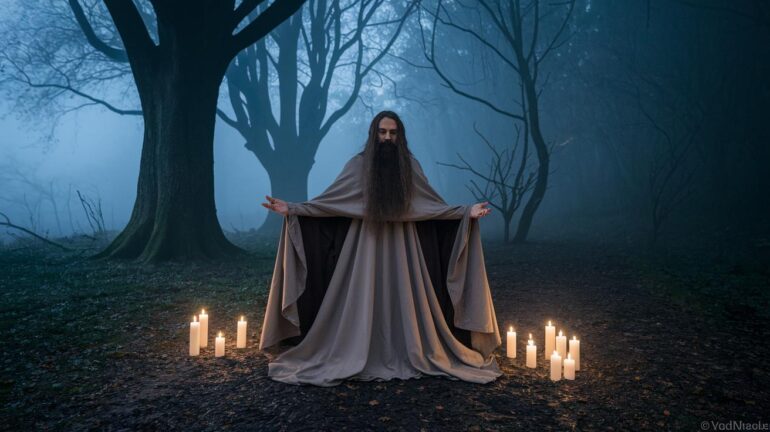
Ever wondered why old rituals still feel so alive today? Druid ceremonies help us get in touch with nature and find secrets in the world around us. They call us to circle around big stones, give thanks to the Earth, and connect with a spirit that ties the old days with now. Ancient writings show how these traditions made communities strong, while today they help us groove with life even when it feels wild. This post dives into how druid ceremonies build a bridge from ancient times right into our day-to-day, letting us enjoy a special kind of spiritual charm.
druidic rituals: Embrace Timeless Spiritual Beauty
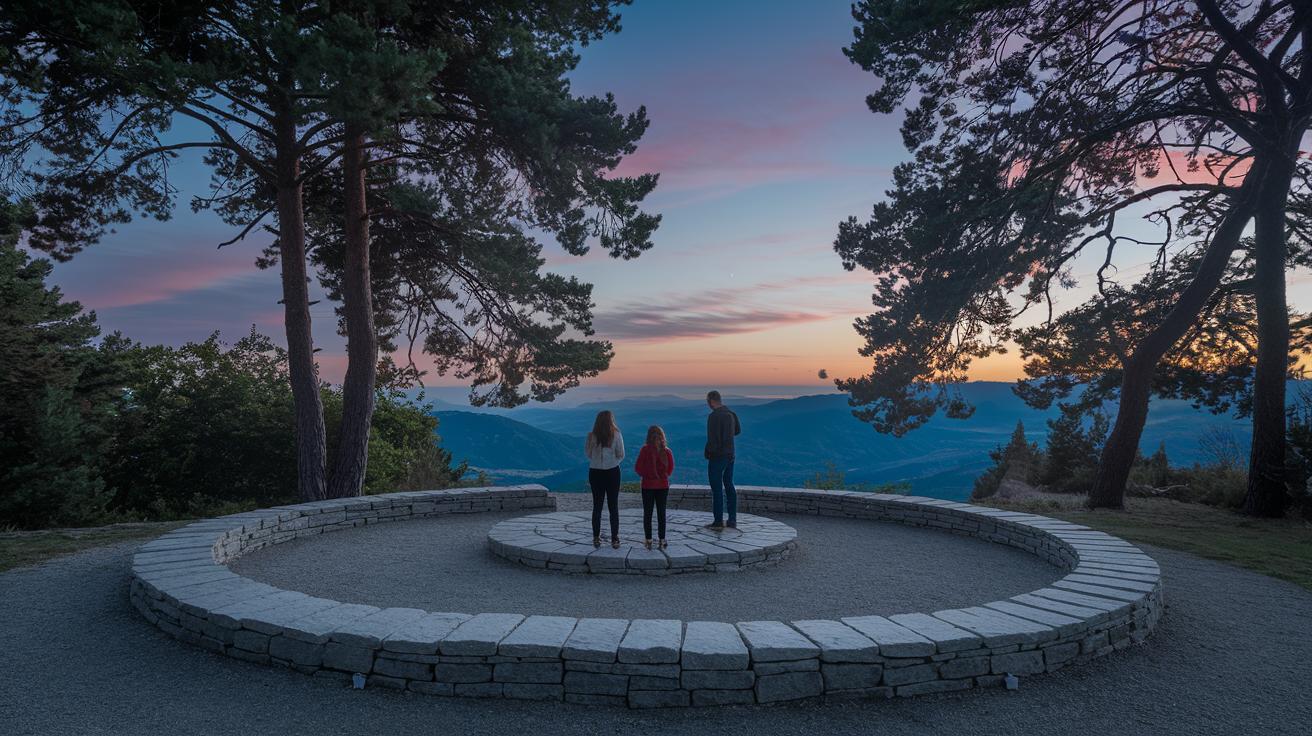
Druidic rituals are a cool way to connect with nature and the spirit. They honor the Earth's cycle and celebrate age-old traditions. Think of them as gatherings where people stand around stone circles to mark changes in the seasons and feel nature's energy. You might try a simple ritual yourself with a little offering, a short chant, or even a quiet meditation. For instance, picture a quiet clearing with old stones setting the scene for a mix of music, dance, and nature’s heartbeat.
Old stories say these rituals were more than just myths. Ancient carvings and texts tell us that druid priest-scholars used these rites to mark big events and keep people close-knit. Early writings mention ceremonies held on stone altars and in forest groves, where the shifting seasons set the pace. Each song, each drink used in these acts tied people back to wisdom passed down through generations.
Today, druidic rituals still live on, but they’ve grown to fit modern life. Many hold onto the core ideas like calling on nature and meditating together, but they also add personal twists. Modern enthusiasts mix old chants with new ideas, hosting their rites in city parks or quiet open fields. It’s all about finding your own beat while honoring the Earth and your spirit. Imagine lighting a candle during a simple evening ceremony and feeling that calm, ancient energy.
Historical Roots and Celtic Ceremonial Traditions in Druidic Rituals
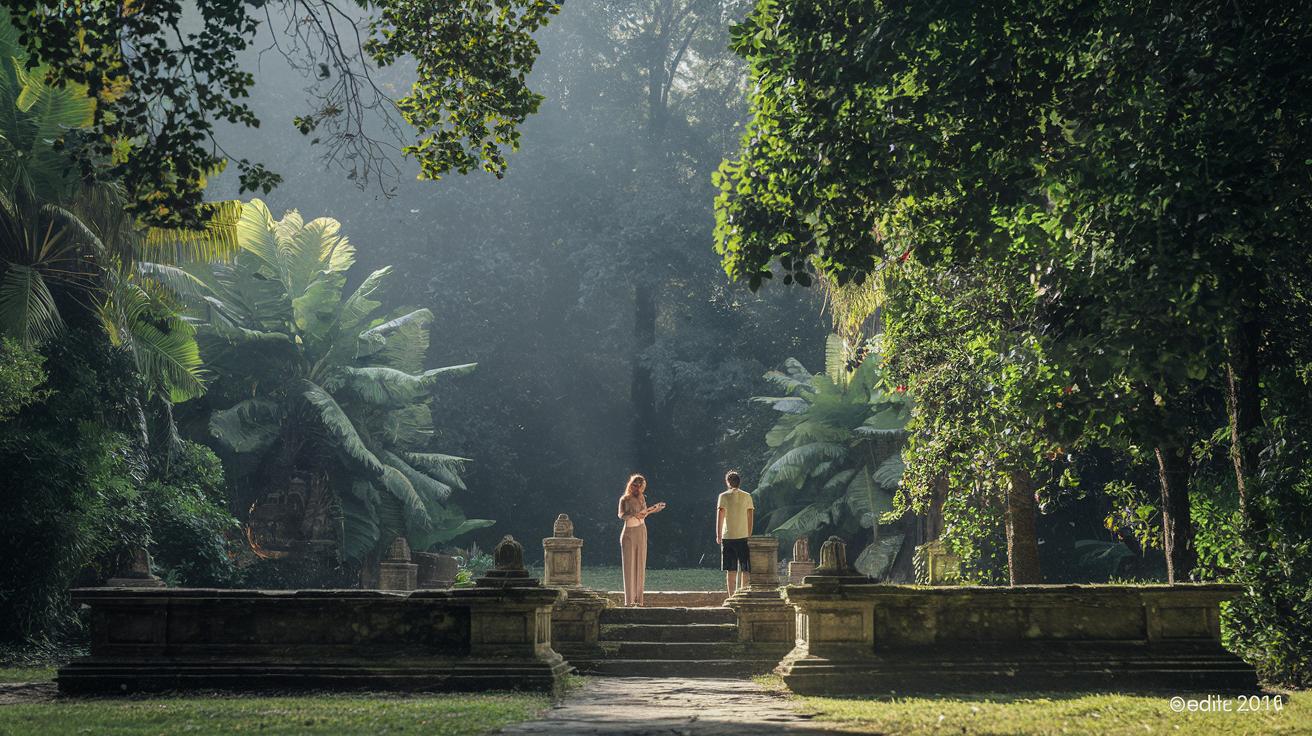
Modern druidic rituals run way back to ancient Celtic times when folks mixed nature’s heartbeat with human spirit. A long time ago, Celtic people held simple ceremonies at stone altars and megalithic locations to mark the seasons. Julius Caesar even mentioned these practices in his Commentaries, showing us that druid priest-scholars once guarded sacred stories and led deep, earth-connected celebrations.
- Stonehenge: This spot lines up with the seasons and hosted rituals to honor the land’s changing cycles.
- Newgrange: Known for its morning light shows, it celebrated the special link between earth and sky.
- Loughcrew: These stones were arranged to match the stars, echoing nature’s own rhythm.
- Callanish Stones: A sacred gathering point where early spiritual rites tuned into the cosmos.
The old-school oral tradition was key to keeping these rituals alive. Druid priest-scholars passed down every detail by telling stories and gathering with the community. They explained how to set up stone altars, the beat of sacred chants, and how the ceremonies naturally followed the flow of nature. Even when written records faded away, these stories made sure the traditions carried on. Today, they still inspire modern enthusiasts who look to nature for guidance, proving that the spirit of these early ceremonies lives on.
Symbolism and Structure of Pagan Nature Ceremonies in Druidic Rituals
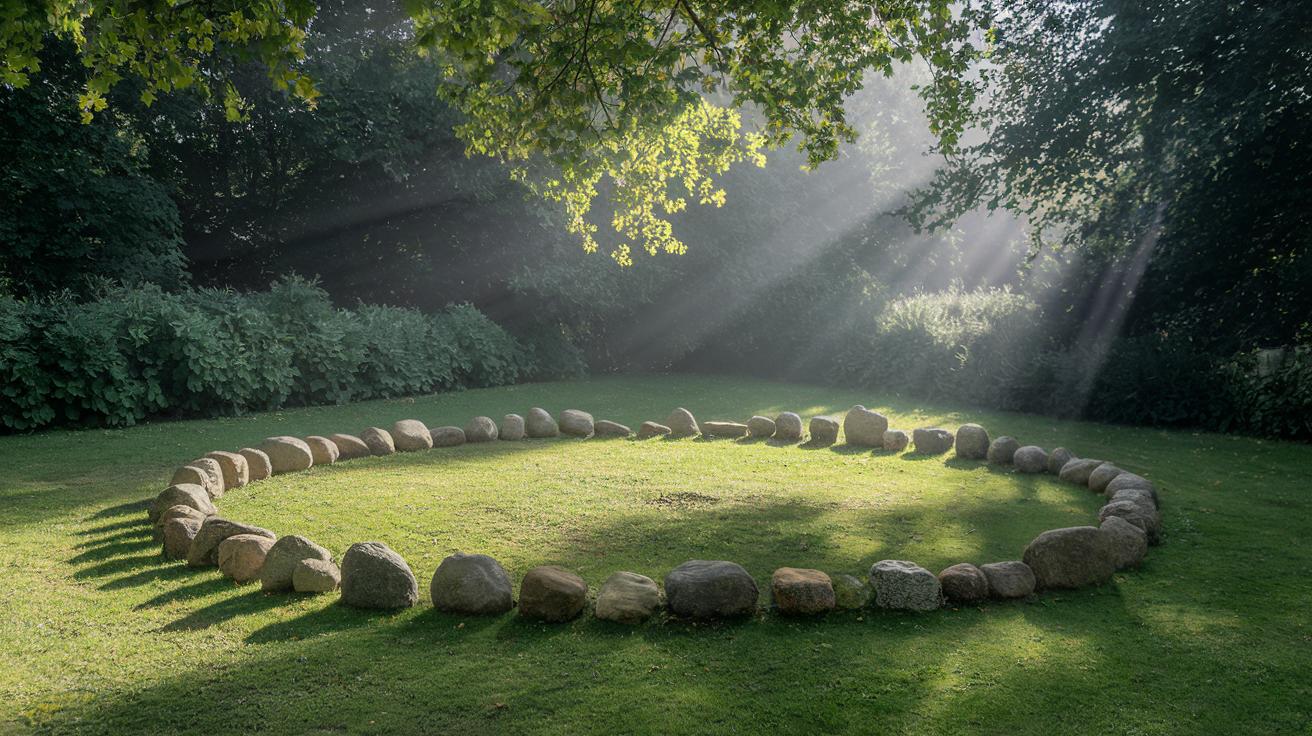
Ever been part of a ceremony that just makes you feel one with the earth? Pagan nature ceremonies in druidic rituals do just that. They use easy-to-understand symbols to pull everyone into a shared, earth-centered vibe, grounded in traditions that have been around forever.
Here are some key elements that make these rituals feel magical:
- Ritual circle layout: Think of arranging stones or natural markers in a circle that mirrors life's never-ending cycle.
- Elemental invocations (earth, air, fire, water): This is like calling on nature's basic parts to bless the space and set the tone.
- Sacred chant traditions: Imagine rhythmic chants that bring everyone together with a focused, unified energy.
- Herbal offerings: Simple plant and herb gifts showing respect and gratitude to the land.
- Communal feasting: Sharing a humble meal that not only fills the belly but also brings the group closer together.
Each of these parts gives the ritual a real, tangible feel. They act as clear guideposts during the ceremony and help deepen the connection between everyone and the living world around them. Picture yourself in that circle: you feel the earth's pulse beneath your feet and hear soft chants blending with nature's whispers, pulling you all into one timeless, magical moment.
Core Daily Practices and Cleansing Ceremony Practices in Druidic Rituals
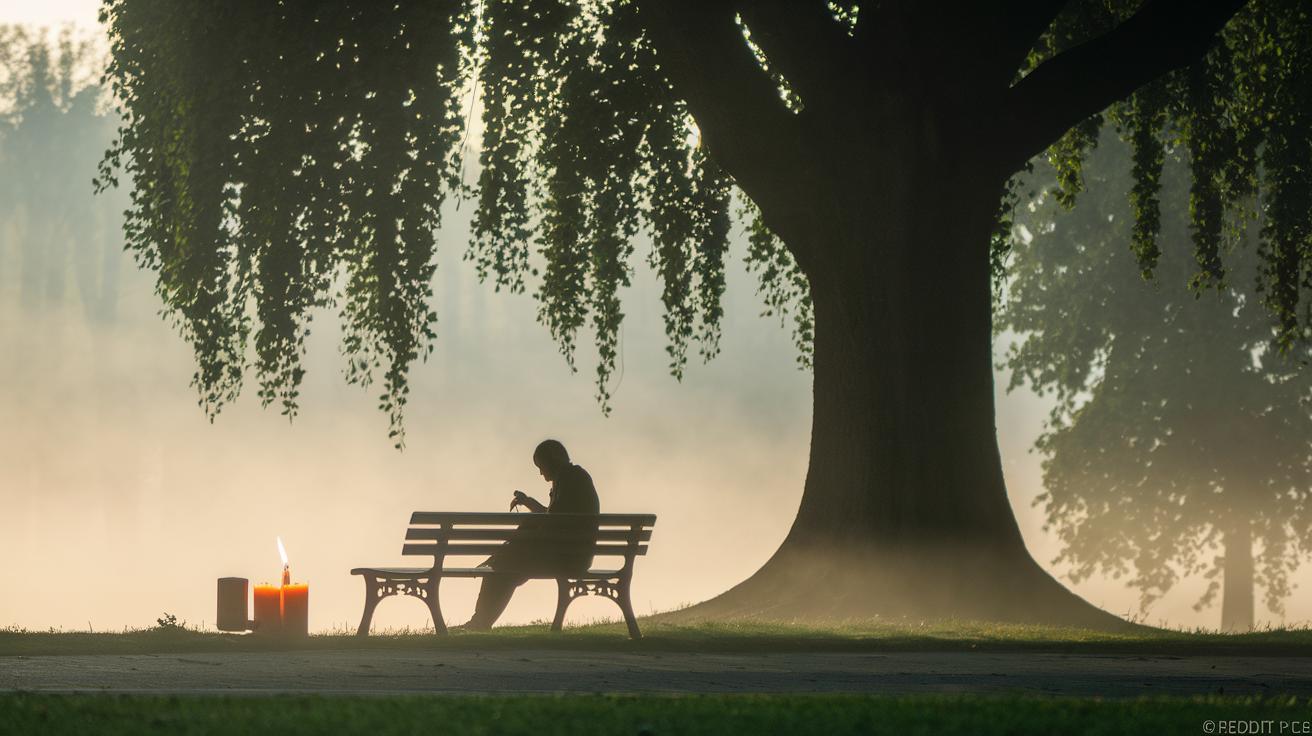
Sticking to a daily ritual helps you feel close to nature and your inner self. A regular routine builds your strength, keeping you steady even when life gets busy. This is especially true for druidic rituals, where simple, repeatable practices keep you linked to the natural world.
Every morning, start with a quick cleansing ritual. Wash your hands with cool water and light a candle or a bit of incense. It feels like giving your brain a little wake-up call. Picture stepping outside and taking that first sip of water like it’s nature saying hello.
Next, spend a few minutes at your favorite outdoor spot, a tree you love or a quiet bench at a park just around the corner. This mini break lets you listen to nature’s sounds and shake off any stress. It’s like a tiny retreat that kicks off your day right.
When evening comes, wind down with a smoke cleansing using sage or a herbal alternative. Do some light meditation afterward, maybe focus on your breath or watch a candle’s flame flicker. This helps you carry the energy of your day into a calm night.
These rituals are easy to change up if you’re on the go or feeling under the weather. The heart of it is simple: little daily acts that keep you connected to nature and help you feel grounded.
Seasonal Solstice Observances and Arcane Customs in Druidic Rituals
Every season brings a fresh vibe to druid rituals. These events mark nature's changes and give us a chance to feel connected with the world around us. They mix old traditions with a new sense of renewal so everyone can tune in to the heartbeat of the earth. It’s like a dance between light and dark, a move that has brought people together for ages. Whether you’re out under a bright blue sky or in the quiet chill of winter, you can feel a deep link with nature.
- Spring Equinox (Imbolc) – Seed Blessings: This is when everyone celebrates the promise of new life, watching as the earth wakes up and seeds start to sprout.
- Summer Solstice (Litha) – Fire Festivals: Big parties light up the longest day, filling the air with bursts of energy and warmth.
- Autumn Equinox (Mabon) – Harvest Thanksgiving: Folks come together to share gratitude for nature’s rich harvest and the bounty of the year.
- Winter Solstice (Yule) – Darkness and Rebirth Rites: Rituals honor the deep quiet of winter while welcoming the slow return of light.
All these timeless events blend nature’s cycles with cherished ritual practices. They remind us of the balance at the heart of druid spirituality, connecting us with the rhythm of our world.
Modern Neo-Druid Adaptations and Forest Meditation Rites
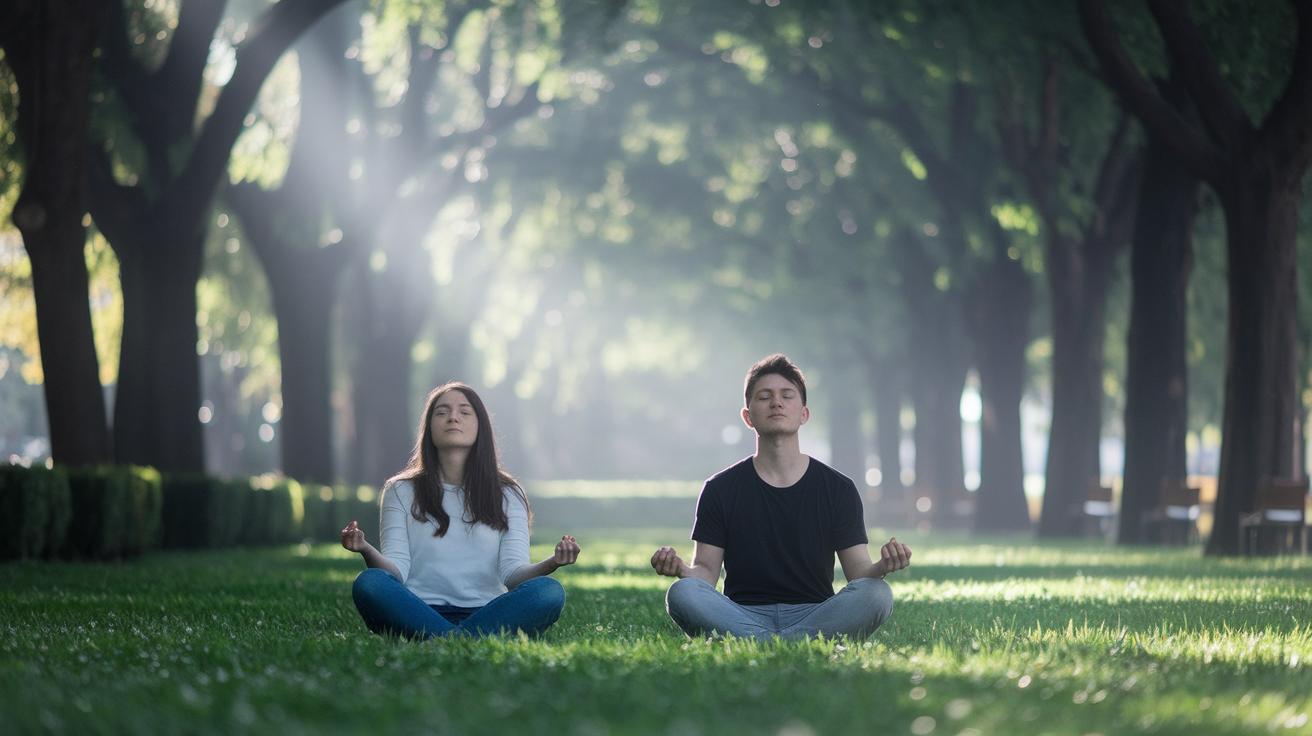
In city parks or quiet wilderness spots, guided forest meditations are the new chill-out ritual for many. Neo-druids meet up in these natural settings to clear their minds and feel connected with the world around them. Picture a small circle of folks, taking deep breaths while a guide gently nudges them to relax and tune in to the earth under their feet. It’s like hitting a reset button, calm, soothing, and totally real. Whether you’re in a buzzing urban park or a quiet secret grove, this practice helps you discover nature’s peace.
Group get-togethers are now the heart of eco-spiritual vibes. People gather in tucked-away groves to honor nature with simple, genuine acts. They take part in energy alignment sessions where soft tunes, shared chants, and moments of quiet help everyone sync up with the natural world. It’s like all the positive energy comes together in one big wave, reminding us that nature’s strength lives in each of us.
Final Words
In the action, the post breaks down everything from druidic rituals’ origins to their modern forms. It takes you through Celtic ceremonial traditions, daily practices, seasonal observances, and even neo-adaptations in a clear, friendly style.
Every section connects historic insights with lively, practical tips. The detailed look at druidic rituals gives a fresh spin on old-school rites while sparking inspiration for today’s gamers.
Keep exploring these traditions and embrace the energy they bring.
FAQ
What are druidic rituals?
Druidic rituals refer to ancient, nature-based ceremonies rooted in Celtic traditions. They include practices like stone circle ceremonies, nature invocations, and seasonal observances, all designed to connect practitioners with the natural world.
How do druid rituals feature in role-playing games?
In games like 5e, BG3, and OSRS, druid rituals are adapted from ancient rites. They mix magic, natural invocations, and ceremonial elements to create immersive gameplay that echoes traditional druidic practices.
How to become a druid?
Becoming a druid involves learning druidic practices, exploring nature meditations, and joining supportive communities. It also means studying ancient rites and symbolic traditions to deepen your connection with the natural world.
What is the difference between paganism and druidism?
The difference between paganism and druidism is that paganism covers a broad range of nature-centered paths, while druidism specifically follows Celtic-based rituals and traditions established by priest-scholars.
What are examples of druidic focuses?
Druidic focuses include stone circle ceremonies, elemental invocations (like earth and water), herbal offerings, sacred chants, and communal feasting, all serving to strengthen the bond between people and nature.
What do the druids worship?
Druids worship the natural world, honoring elements such as earth, water, air, and fire, as well as the powerful cycles of the seasons and the intrinsic energy that flows through all living things.