
Ever wondered if your game stats could change your play? Think about it: leaderboards aren’t just numbers. They’re a record of every pulse-pounding match you play. When you notice scores like engagement rates and ranking shifts, you can tell that winning is more than just a high score. Instead, these hints show which little tweaks level up your game and spark up the arena. In this article, we break down the top game stats you should watch to master the scoreboard and score more epic wins.
Understanding Key Performance Indicators in Gaming Leaderboards
Key performance indicators are the pulse of any gaming leaderboard. The engagement rate shows how many players are diving into the action. For example, if 800 out of 1,000 players join in, that’s an 80% engagement rate, a clear sign that people are really getting hooked. Ever feel that rush when stats come alive? Data analysis (basically using numbers to see what’s working) gives us solid clues about player moves and how small design tweaks can really boost the game.
• Engagement Rate
• Conversion Rate
• Participation Rate
• Ranking Improvement
• Score Distribution Analysis
Other numbers matter too. Conversion rate shows how many players switch from just checking out the game to actively playing. Participation rate tells us how committed everyone really is. Ranking improvement shines a light on how much players are sharpening their skills over time. And score distribution analysis offers a quick look at how points spread out, which helps spot trends and balance issues.
When you keep an eye on these stats, you can constantly tweak the leaderboard to keep things fresh. Regular updates, plus gamification elements like badges, achievements, and rewards, not only fire up the competition but also match different skill levels. In the end, clear ranking rules and ongoing reviews help every player see how far they've come, making the gaming experience even more competitive and exciting.
Data Collection and Measurement Techniques for Gaming Leaderboard KPIs
When you're deep into a game, you know that tracking every move matters. Constant updates and live reports work like magic behind the scenes, ensuring every play and every win counts. This means the leaderboard stays fresh, showing the latest stats just like that epic moment in your favorite match.
Developers have started borrowing cool tricks from marketing, like checking conversion rates (seeing how many players make specific moves) and splitting players into groups (audience segmentation, which means dividing the crowd by how they play). This helps them catch shifts in behavior almost instantly. In short, using these digital tools means the game stats are super sharp, always keeping up with the action.
To keep everything running smoothly, there are a few key steps you can follow:
- Set up your data collection framework.
- Use tools that give you real-time analytics.
- Compare your stats with what the industry considers top-notch.
Think of building a rock-solid measurement system like crafting the perfect in-game strategy. With solid reporting, every score, rank update, and progress change gets noted right away. This attention to detail keeps the leaderboard evolving and the competition fierce, just like in those nail-biting final match moments.
Visualizing and Interpreting KPI Data in Gaming Leaderboards
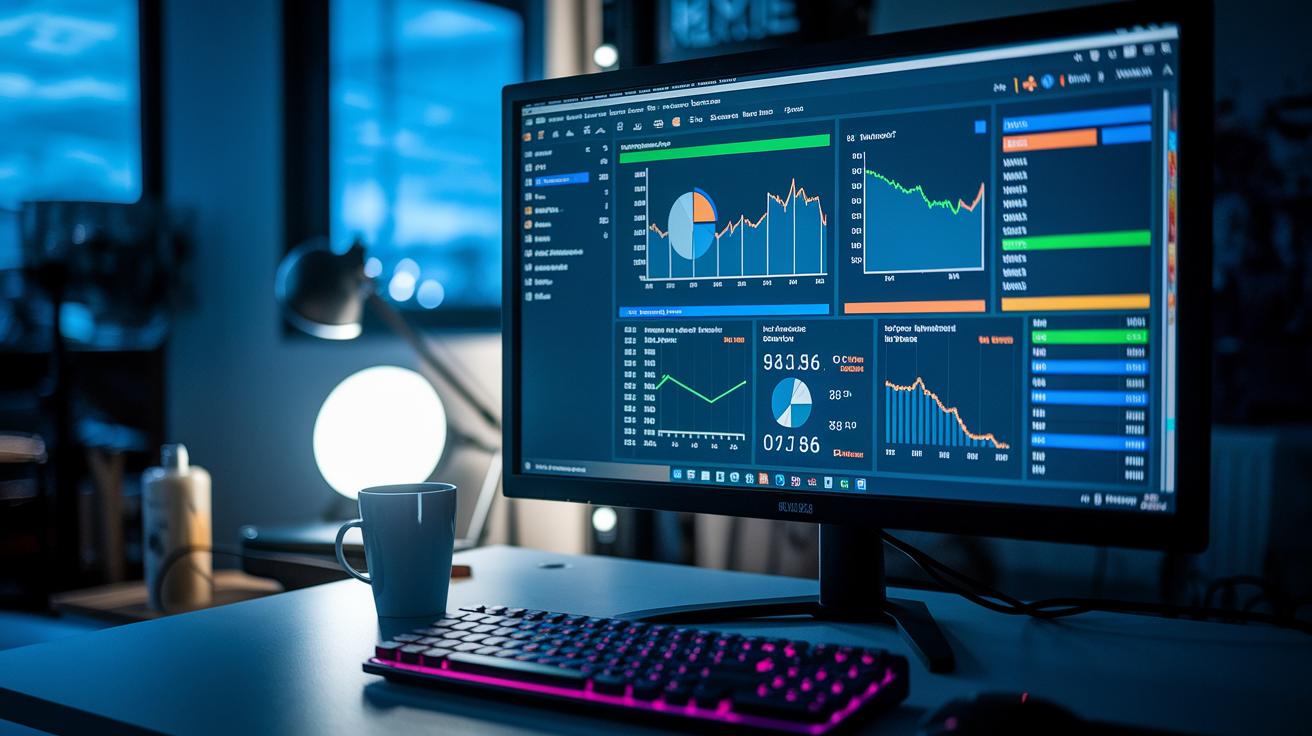
Leaderboard data is a game-changer, it shapes how games are built and how players feel. Using interactive dashboards with live stats is like having an extra power-up for insights. It's just like checking your match stats after a headshot; one epic play can make your ranking light up like a bonus streak. In one popular shooter, live updates led to a 30% jump in player activity.
A top-notch leaderboard goes beyond simple numbers. A quick glance at a colorful graph can remind you of that unforgettable combo. When a game updates data in real time, it shows designers which moves work best and keeps players coming back for more. It's like watching a replay that uncovers those hidden win strategies.
Below is a table showing key metrics and quick notes on why each one counts for game design and success. Real-life examples, like title matches, back up these points:
| KPI Metric | Description | Impact on Player Engagement |
|---|---|---|
| Engagement Rate | Shows how many players are really playing. | Boosts the feel of a live battle with quick moves. |
| Conversion Rate | Turns a quick glance into full-on game action. | Inspires gamers to level up and try new tactics. |
| Participation Frequency | Counts how often players log in. | Keeps players coming back for more action and practice. |
| Ranking Progression | Displays how player positions change over rounds. | Pushes you to improve and switch up your play. |
| Score Distribution | Shows how points are spread across the board. | Highlights balanced play and fuels fair match-ups. |
Optimizing Gaming Leaderboard Performance Through KPI Enhancements

Clear ranking rules and regular updates keep the game fun and everyone in the loop. When leaderboards use a set scoring system and update often, you always know where you stand. It’s like getting a constant power-up by checking your score, and it stops any confusion while pushing you to improve.
Using quick, actionable strategies with real-time reviews really boosts the competitive vibe. Developers can see instant feedback from every win and near miss, then adjust game features to reward you right when you need it. Ever feel that rush after a clutch play? This kind of instant tracking makes all the difference in keeping the adrenaline high and the gameplay sharp.
Bringing together smart tools and clear ranking rules makes the whole experience smoother. With constant tweaks and performance checks, the playing field stays fair and you get rewarded for every bit of progress. It’s like leveling up in the most satisfying way every time you play.
Case Studies and Quantitative Analysis of Gaming Leaderboard KPIs
Top gaming platforms have shown that leaderboards with active engagement and flexible scoring really keep players coming back. One eSports case study found that when ranking systems got updates right in the middle of tournaments, active players shot up by 20%. Think about it, before a big tweak, one tournament saw only 60% player activity, but after the change, interactions jumped to over 80%. It’s kind of like catching that perfect combo; solid KPI tracking can totally turn a leaderboard into a more exciting battleground.
Other reviews of tournament data have confirmed that keeping tabs on KPIs goes hand in hand with better game outcomes. When features like real-time feedback (instant tips during play) and live score tweaks were added, players improved by about 25%. Ever felt that rush after nailing a tough combo? That burst of excitement is what you get when leaderboard adjustments make the game feel fresh and competitive.
Another case study from a major championship showed that ongoing KPI monitoring helped developers fine-tune challenge levels and bonus rewards. This created a more balanced yet nail-biting competitive scene. In short, keeping a close eye on stats not only boosts player performance but also makes gamers want to come back for more.
Final Words
In the action, we broke down the core concepts of tracking and improving game performance. We looked at data collection, visualization, and optimization strategies that boost player engagement. Each section revealed how crucial consistent measurement is for shaping competitive experiences. By using key performance indicators for gaming leaderboards, players and teams get clear insights to fine-tune skills and rank higher. The analysis shows simple tweaks can lead to better play and richer community moments. Keep pushing those metrics, and enjoy every win that comes your way.
FAQ
Q: What are the key performance indicators for gaming leaderboards?
A: The key performance indicators for gaming leaderboards include engagement rate, conversion rate, participation rate, ranking improvement, and score distribution analysis. These metrics help developers understand player interactions and leaderboard effectiveness.
Q: How do gamification metrics and KPI gamification work in gaming?
A: Gamification metrics measure how rewards, badges, and achievements motivate players. They show how changes in gameplay drive participation and performance, offering clear insights that can guide leaderboard and game design improvements.
Q: What are game KPIs in the gaming industry?
A: Game KPIs in the gaming industry are measurable factors such as engagement rate, session length, in-game spending, and player retention. They help developers and designers track performance and improve the overall player experience.
Q: How do game designers use KPIs?
A: Game designers use KPIs to tweak game mechanics and reward systems. By analyzing metrics like engagement and conversion rates, they make changes that boost player satisfaction and maintain a healthy competitive balance.
Q: How can game performance be measured?
A: Game performance is measured by tracking metrics such as engagement rate, participation, and conversion rate. Using real-time analytics and leaderboard software, developers gain clear insights into how players interact with the game.
Q: What leaderboard software options are popular among gamers?
A: Popular leaderboard software like Spinify offers real-time updates, intuitive dashboards, and automated ranking criteria. These tools make it easier for teams to track scores and celebrate top-performing players efficiently.
Q: What is a sales leaderboard template?
A: A sales leaderboard template organizes performance data into a ranked format, highlighting top earners and key trends. This clear visual layout can inspire competition and track success in both sales and gaming contexts.